عربي
عربي


Uneven skin tone, lingering acne marks, and a dull complexion are among the most common reasons people explore skin treatments, and chemical peels are one of the most established, well-researched options available.
Despite being widely offered, chemical peels are often misunderstood, sometimes seen as harsh or overly intense, when in reality they range widely in strength and can be tailored carefully to different skin types and concerns.
At their core, chemical peels work by encouraging the skin to shed its outer layer in a controlled way, revealing fresher skin underneath and stimulating natural renewal processes.
This guide explains how chemical peels work, what they can help with, who they’re suited for, and what to expect from the process when performed by a qualified professional.
Book a Dermatology Consultation
At American Hospital Clinics Doha today.
Quick Answer
Chemical peels use a controlled solution to exfoliate the skin’s outer layers, helping improve texture, tone, and the appearance of fine lines, acne marks, and pigmentation. Performed by a professional and suited to your skin type, they can be an effective part of a broader skincare plan.
Key Takeaways
- Chemical peels work by encouraging controlled exfoliation and skin renewal
- Different peel strengths suit different concerns and skin types
- Peels can help with pigmentation, acne marks, texture, and fine lines
- Professional application matters; over-the-counter versions are far milder
- Proper aftercare and sun protection are essential for results and safety
- Not everyone is a good candidate; skin type and condition matter
- Peels work best as part of an ongoing skincare plan, not a one-time fix
What Is a Chemical Peel
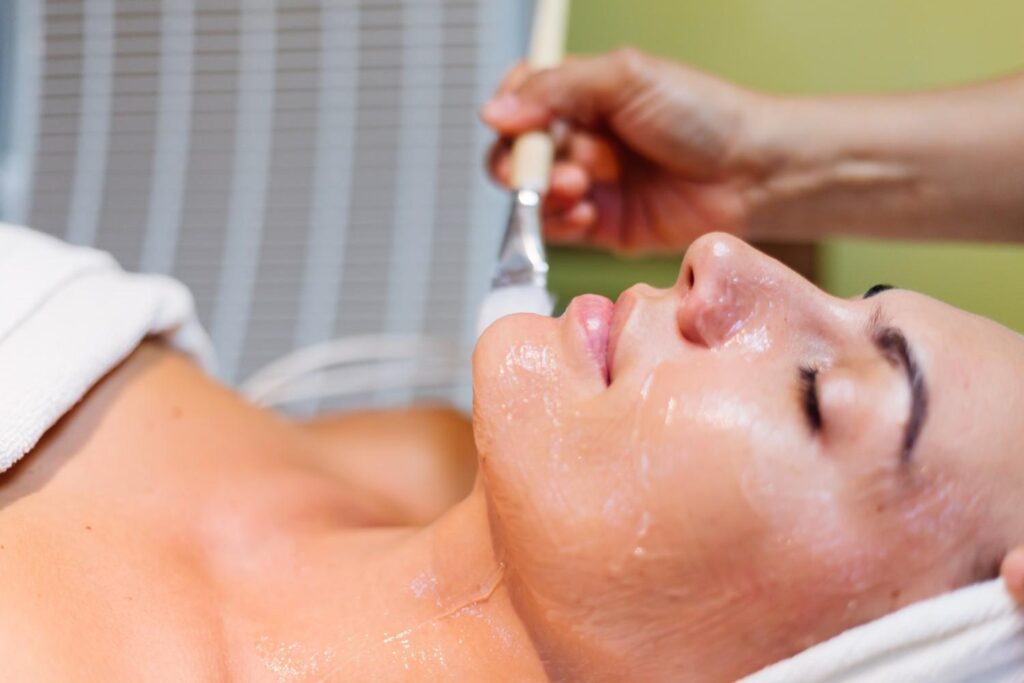
A chemical peel is a professional skin treatment that uses a specially formulated solution to exfoliate the outer layers of skin. As the treated layer sheds over the following days, it reveals smoother, fresher skin underneath and stimulates the skin’s natural renewal process, which can improve overall tone and texture.
How Chemical Peels Work
The active ingredients in a peel loosen the bonds between dead skin cells, allowing them to shed more efficiently than they would on their own. This process also stimulates collagen production in some cases, contributing to a smoother, more even appearance over time, particularly with a series of treatments rather than a single session.
Types of Chemical Peels
Superficial Peels
The mildest option, targeting only the outermost layer of skin. Ideal for minor texture and tone concerns, with minimal downtime.
Medium Peels
Penetrate deeper to address more noticeable pigmentation, fine lines, or acne-related concerns, with a somewhat longer recovery period.
Deep Peels
Used for more significant skin concerns, offering more dramatic results but requiring careful patient selection and a longer recovery time.
Book your appointment
Limited slots available this month — Reserve yours now
Book a Dermatology Consultation at American Hospital Qatar — No Referral Needed
Skin Concerns Chemical Peels Can Help With
- Pigmentation and melasma
- Acne and post-acne marks
- Fine lines and early signs of aging
- Uneven skin texture
- Dullness and lack of radiance
Who Is a Good Candidate
Most people looking to improve skin texture, tone, or the appearance of mild pigmentation or acne marks can be good candidates for a chemical peel, provided their skin is properly assessed beforehand. A dermatologist will evaluate your skin type, concerns, and history before recommending the right type and strength of peel.
Who Should Be Cautious
- Those with very sensitive or reactive skin
- People with active skin infections or certain inflammatory skin conditions
- Pregnant or breastfeeding individuals, for certain peel types
- Anyone with recent sunburn or significant sun exposure
- Those currently using certain medications, such as isotretinoin, which require a waiting period beforehand
What to Expect Before and After a Peel
A consultation typically comes first, where your dermatologist assesses your skin and discusses the right type of peel for your goals. Many practitioners also recommend a patch test beforehand to check for any reaction. After the peel, mild redness and some peeling or flaking over the following days is normal and expected as the skin renews itself.
Aftercare Essentials
- Use gentle, fragrance-free skincare products in the days following treatment
- Apply broad-spectrum sunscreen diligently, treated skin is more sun-sensitive
- Avoid picking or peeling flaking skin manually, let it shed naturally
- Keep skin well hydrated to support the healing process
Combining Chemical Peels with a Broader Skincare Routine
Chemical peels tend to work best as part of an ongoing skincare approach rather than a standalone fix. Daily sun protection is essential to protect and maintain results, while a dermatologist-guided routine between sessions, tailored to your skin type, helps support and extend the benefits of each treatment over time.
Common Misconceptions About Chemical Peels
- “One peel fixes everything”: most concerns improve gradually with a series of treatments rather than a single session
- “All peels are the same intensity”: peels vary widely in strength and are tailored to the individual and concern
- “More peeling means better results”: visible peeling isn’t a reliable measure of effectiveness, and over-peeling can irritate skin unnecessarily
How American Hospital Qatar’s Dermatology Department Can Help
Our Dermatology Department offers professional, dermatologist-led chemical peel treatments tailored to your skin.
- Dermatologist-Led Assessment: a thorough evaluation of your skin before any treatment
- Customized Peel Selection: matching the right type and strength to your skin and goals
- Safe, Professional Application: treatment performed under proper medical supervision
- Combined Skincare Plans: guidance that supports lasting results between sessions
- Insurance Accepted: our team assists with pre-authorisation and claims
Frequently Asked Questions
Is a chemical peel painful?
How many sessions are typically needed?
Can chemical peels help with acne scars?
Is downtime required after a peel?
Can I wear makeup after a chemical peel?
Are chemical peels safe for sensitive skin?
Conclusion
Chemical peels remain a well-established, effective option for improving skin texture, tone, and the appearance of common concerns like pigmentation and acne marks, when performed thoughtfully and matched to your specific skin.
The best results come from a proper assessment, a treatment plan suited to you, and consistent aftercare, rather than a one-time quick fix.
If you’re curious whether a chemical peel could help with your skin concerns, a dermatologist consultation is the best place to start.
BOOK YOUR DERMATOLOGY CONSULTATION NOW
Care for your skin with expert attention.
C Ring Road,Al Muntazah St Near Al Andalus Petrol Station, Doha, Qatar