عربي
عربي


Urinary Tract Infections (UTIs): Symptoms, Causes, and When to See a Doctor
A urinary tract infection, or UTI, is one of the most common reasons people seek urology care, and one of the most uncomfortable. That burning, urgent feeling can disrupt your whole day, and if it keeps coming back, it’s worth understanding why.
This guide explains what a UTI actually is, how to recognise one, what raises your risk, and when a simple infection might be a sign of something that needs closer attention.
Whether this is your first UTI or your fifth this year, understanding the pattern behind it is the first step toward lasting relief rather than a repeating cycle of discomfort. At American Hospital Clinics Doha, our experienced urology team provides accurate diagnosis and personalized UTI treatment in Qatar, helping identify the underlying cause and reduce the risk of recurring infections. American Hospital Clinics Doha also offers comprehensive evaluations for patients with frequent or complicated UTIs to support long-term urinary health.
Book a Urology Consultation
At American Hospital Clinics Doha today.
Quick Answer
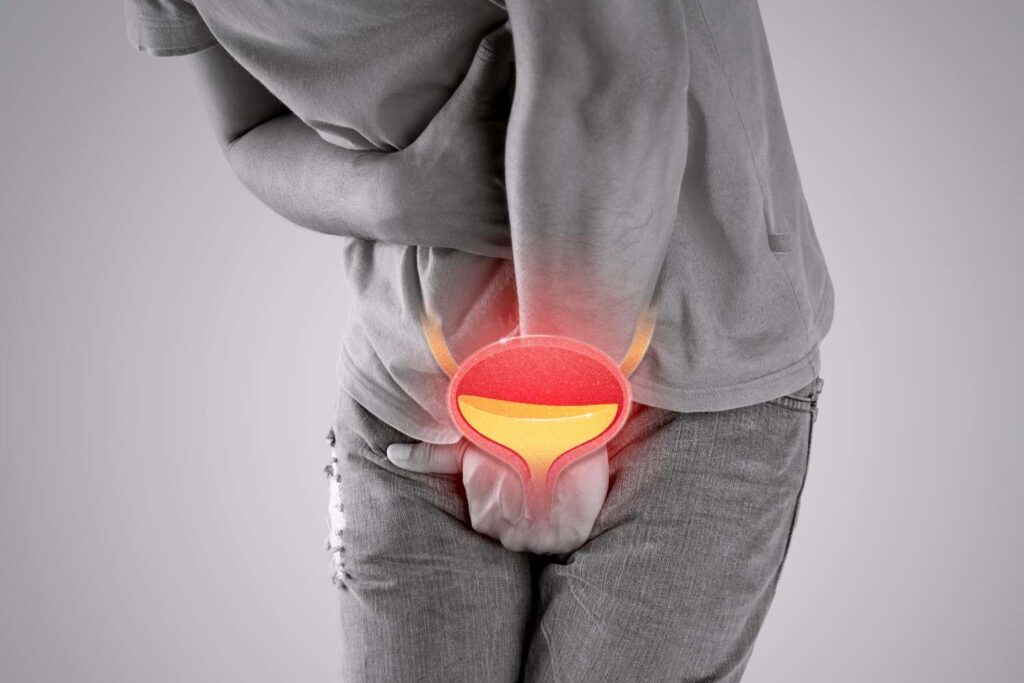
A UTI is an infection anywhere along the urinary system, most often the bladder. It typically causes burning during urination, a frequent or urgent need to go, and cloudy or strong-smelling urine. Most UTIs clear up quickly with the right medical care, but infections that keep returning should be properly evaluated rather than treated over and over on their own.
Key Takeaways
- UTIs are extremely common and highly treatable when addressed promptly
- Burning during urination and frequent urgency are the classic symptoms
- Women are more prone to UTIs due to anatomy, but men can get them too
- Dehydration and holding urine for long periods both raise your risk
- A UTI that keeps recurring deserves a proper evaluation, not just repeat treatment
- Fever or back pain alongside urinary symptoms needs prompt medical attention
- Left untreated, a bladder infection can spread to the kidneys and become more serious
What Is a UTI?
A UTI happens when bacteria enter the urinary system, usually through the urethra, and multiply, most commonly in the bladder. It’s one of the most frequently diagnosed infections, and while uncomfortable, it’s generally straightforward to treat once identified.
UTIs are typically categorised by where the infection is located, most commonly the bladder (cystitis) or, less commonly but more seriously, the kidneys (a kidney infection). Understanding which type you’re dealing with matters for how quickly it needs to be treated.
Common Symptoms
- A burning sensation when urinating
- A frequent or urgent need to urinate, even right after going
- Cloudy urine or urine with a strong odour
- Discomfort or pressure in the lower abdomen or pelvic area
- Fever or back pain, which can suggest the infection has reached the kidneys
- Blood in the urine in some cases
Why Women Are More Prone to UTIs
Anatomy plays a large role here. Bacteria have a shorter distance to travel to reach the bladder in women, which is why UTIs are significantly more common among women than men. That said, men can and do get UTIs, and when they occur, they’re worth taking seriously since they can occasionally point to another underlying issue.
Certain life stages, including pregnancy and menopause, can also raise a woman’s risk due to hormonal and anatomical changes that affect the urinary tract.
Book your appointment
Limited slots available this month — Reserve yours now
Book a Urology Consultation at American Hospital Clinics Doha — No Referral Needed
Causes and Risk Factors
- Not drinking enough water throughout the day
- Holding in urine for long periods
- Certain hygiene habits
- Underlying conditions such as diabetes
- Hormonal changes, including those linked to pregnancy or menopause
- Use of certain contraceptive methods
When It’s More Than a One-Time Infection
If you’re getting UTIs several times a year, that’s considered recurrent, and it’s a signal to look deeper rather than simply treating each episode as it comes. Recurrent infections can sometimes point to an underlying anatomical or medical factor that a urologist can identify.
Recurrent UTIs can also affect quality of life significantly, from disrupting work and sleep to creating ongoing anxiety about the next episode. Breaking that cycle usually starts with a proper diagnostic work-up rather than repeated short-term treatment.
Simple Habits That Can Lower Your Risk
- Drinking enough water consistently throughout the day, not just when you feel thirsty
- Urinating when you feel the urge rather than holding it for long stretches
- Urinating after sexual activity
- Wearing breathable clothing, especially in Qatar’s warm climate
- Managing underlying conditions like diabetes with your doctor’s guidance
When to See a Doctor
Seek care if symptoms don’t improve within a couple of days, if you develop fever or back pain, if you notice blood in your urine, or if UTIs are becoming a recurring pattern in your life. Don’t wait for symptoms to become severe before reaching out.
UTIs and Life in Qatar’s Climate
Heat and dehydration don’t just raise the risk of kidney stones, they also make UTIs more likely by concentrating urine and reducing how often you naturally flush bacteria out of the urinary tract. Long hours in air-conditioned offices, where people often forget to drink water regularly, can quietly compound the problem.
Being mindful of hydration year-round, not just during the hottest months, is a simple but genuinely effective way to lower your everyday risk.
Common Misconceptions About UTIs
- “UTIs only happen if you’re not clean enough” — hygiene is only one of several contributing factors
- “You can just wait it out” — untreated UTIs can progress and spread to the kidneys
- “Once treated, it won’t come back” — without addressing risk factors, recurrence is common
- “Men don’t get UTIs” — they’re less common in men, but they do happen and deserve attention
How American Hospital Clinics Doha’s Urology Department Can Help
At American Hospital Clinics Doha, our Urology Department provides comprehensive, discreet care for both first-time and recurring urinary tract infections.
- Prompt Diagnostic Testing: Accurate assessment to confirm infection and guide the most appropriate treatment.
- Recurrent UTI Evaluation: Comprehensive investigations to identify underlying causes when infections keep returning.
- Women’s Urology Care: Compassionate, confidential care tailored to women’s urinary health needs.
- Cross-Specialty Coordination: Access to specialist referrals when related conditions require additional evaluation.
- Personalized Prevention Plans: Practical lifestyle and hygiene guidance to help reduce the risk of future UTIs.
- Insurance Support: Assistance with pre-authorisation and claims processing where applicable.
At American Hospital Clinics Doha, our experienced urology team is committed to providing timely diagnosis, effective treatment, and personalized care to help you achieve lasting urinary health.
Frequently Asked Questions
How do I know if I have a UTI?
Can a UTI go away on its own?
Why do I keep getting UTIs?
Can men get UTIs?
When should I be concerned about a UTI?
Can drinking cranberry juice cure a UTI?
Is a UTI contagious?
Conclusion
UTIs are common, uncomfortable, and very manageable with the right care. If they keep coming back, don’t just keep treating the symptoms—a proper evaluation can get to the root cause and help you break the cycle for good. At American Hospital Clinics Doha, our experienced urology team provides personalized UTI treatment in Qatar, helping patients find lasting relief through accurate diagnosis, effective treatment, and preventive care.
BOOK YOUR UROLOGY CONSULTATION NOW
Say goodbye to recurring UTIs with expert care.
C Ring Road,Al Muntazah St Near Al Andalus Petrol Station, Doha, Qatar