عربي
عربي


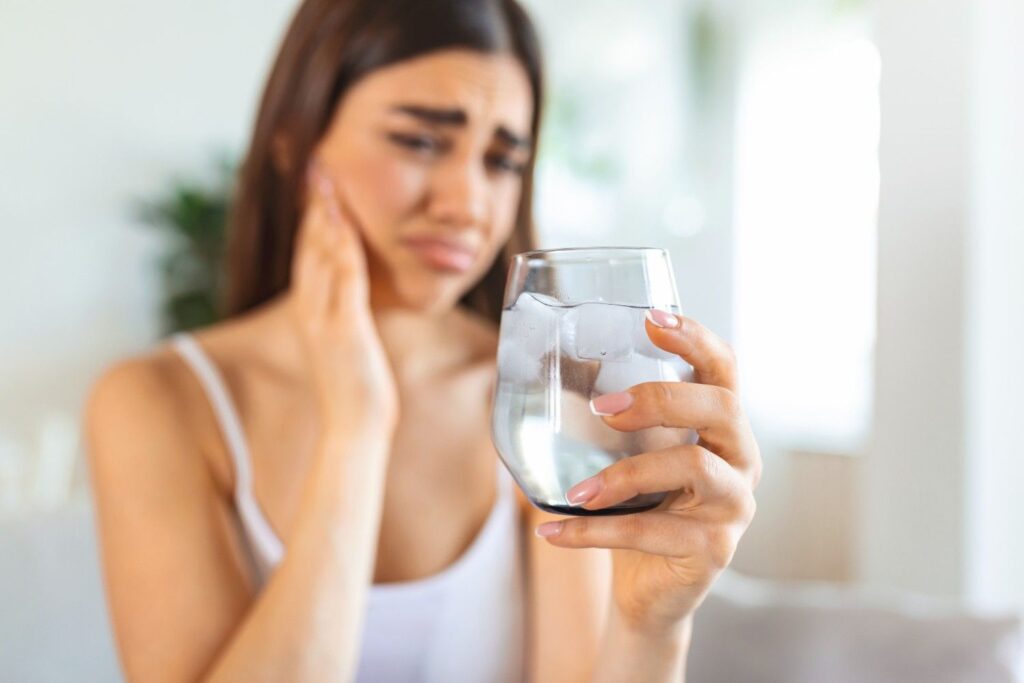
A cold soda on a hot Doha afternoon is one of life’s simple pleasures, but it comes with a cost your teeth are quietly paying, often without you noticing until damage has already set in.
Soda affects teeth in two distinct ways at once: through sugar, which feeds the bacteria responsible for cavities, and through acid, which wears away protective enamel directly, regardless of sugar content.
This double impact is part of why soda tends to be more damaging to teeth than many other foods and drinks, and why even sugar-free versions aren’t entirely off the hook.
This guide explains exactly how soda damages teeth, who’s most at risk, and practical ways to enjoy it occasionally without accelerating that damage.
Book a Dental Consultation
At American Hospital Clinics Doha today.
Quick Answer
Soda damages teeth in two ways: its sugar content feeds the bacteria that cause cavities, and its acidity erodes protective enamel, even in sugar-free versions. Frequent consumption, especially sipped slowly over time, significantly increases the risk of decay and long-term dental damage.
Key Takeaways
- Soda harms teeth through both sugar and acid, even sugar-free versions
- Sipping soda slowly over time causes more damage than drinking it quickly
- Enamel erosion is permanent and cannot be reversed once it happens
- Dark and light-colored sodas can both cause staining and decay
- Rinsing with water after drinking soda helps reduce damage
- Using a straw can reduce direct contact between soda and teeth
- Regular dental check-ups catch early soda-related damage before it worsens
How Soda Damages Teeth
It’s normal to shed somewhere between 50 and 100 hairs a day as part of the hair’s natural growth cycle. Noticeably more shedding than usual, thinning at the crown or part line, or patchy bald spots are signs that something beyond normal turnover may be happening, and are worth having assessed.
Sugar-Free Soda Isn’t a Free Pass
While sugar-free sodas avoid feeding decay-causing bacteria in the same way, they remain acidic, meaning they can still erode enamel over time with frequent consumption. Choosing sugar-free doesn’t eliminate the dental risk entirely, it simply removes one of the two damage pathways.
Signs of Soda-Related Dental Damage
- Increased sensitivity to hot, cold, or sweet foods
- Visible thinning or a dull, worn appearance of enamel
- New or growing cavities
- Staining or discoloration, particularly with dark sodas
- A rough or less smooth tooth surface
Book your appointment
Limited slots available this month — Reserve yours now
Book a Dental Consultation at American Hospital Qatar — No Referral Needed
Who’s Most at Risk
- People who drink soda daily or multiple times a day
- Those who sip slowly throughout the day rather than drinking it in one sitting
- Children and teens, whose enamel can be more vulnerable
- Those who brush immediately after drinking soda, which can worsen enamel erosion while it’s temporarily softened
How to Enjoy Soda Without as Much Damage
- Drink soda with a meal rather than on its own, saliva production during eating helps buffer acid
- Use a straw to reduce direct contact between soda and teeth
- Rinse your mouth with water after drinking soda
- Wait 30 to 60 minutes before brushing your teeth after having soda, rather than brushing immediately
- Limit frequency, treating soda as an occasional drink rather than a daily habit
- Choose water as your default drink throughout the day
Long-Term Effects of Untreated Soda Damage
Left unaddressed, ongoing enamel erosion and cavities from frequent soda consumption can lead to increased sensitivity, more extensive dental work, and in advanced cases, a higher risk of tooth loss. Because enamel doesn’t regenerate on its own, prevention and early intervention matter far more than trying to reverse damage after it’s occurred.
How Soda Compares to Other Sugary or Acidic Drinks
Fruit Juices
Often just as acidic as soda and can contain comparable sugar levels, meaning they carry similar dental risks despite feeling like a healthier choice.
Sports and Energy Drinks
Frequently more acidic than regular soda, making them particularly harsh on enamel, especially when consumed during or after exercise while the mouth is already dry.
Flavored Sparkling Water
Generally gentler than soda, though citrus-flavored versions can still carry some acidity worth being mindful of with frequent consumption.
Alternatives Worth Considering
- Water, ideally your default choice throughout the day
- Sparkling water without added sugar or citrus, which is gentler on enamel than soda
- Unsweetened tea, which can offer flavor with less impact on teeth
- Diluted natural juices, in moderation, as an occasional alternative
Building Better Habits Around Soda Consumption
Small, consistent changes tend to make the biggest long-term difference. Rather than eliminating soda entirely, which can feel unsustainable for many people, shifting it from a daily habit to an occasional treat, paired with the protective steps outlined above, meaningfully reduces the cumulative impact on your teeth over months and years.
For families, modeling these habits, drinking water as the default and treating soda as occasional, also helps set children up with better long-term dental habits of their own.
How American Hospital Qatar’s Dental Department Can Help
Our Dental Department helps identify and manage soda-related dental damage, and supports long-term prevention.
- Comprehensive Dental Exams: early identification of enamel erosion and decay
- Restorative Treatments: from fillings to more advanced repair when needed
- Enamel Protection Guidance: practical, personalised advice for your habits and risk level
- Preventive Cleanings: regular care to catch and manage early damage
- Insurance Accepted: our team assists with pre-authorisation and claims
Frequently Asked Questions
Is diet or sugar-free soda better for my teeth?
Does drinking soda through a straw really help?
Why shouldn't I brush right after drinking soda?
Can soda damage be reversed?
Is sparkling water also bad for teeth?
How much soda is considered safe for teeth?
Conclusion
Soda doesn’t have to be completely off-limits, but understanding how it affects your teeth makes it much easier to enjoy it in a way that doesn’t quietly chip away at your dental health over time.
A few simple habits, drinking with meals, using a straw, and rinsing afterward, go a long way, alongside regular check-ups to catch any early changes before they become bigger problems.
BOOK YOUR DENTAL CONSULTATION NOW
Protect your teeth with the right dental care.
C Ring Road,Al Muntazah St Near Al Andalus Petrol Station, Doha, Qatar