عربي
عربي


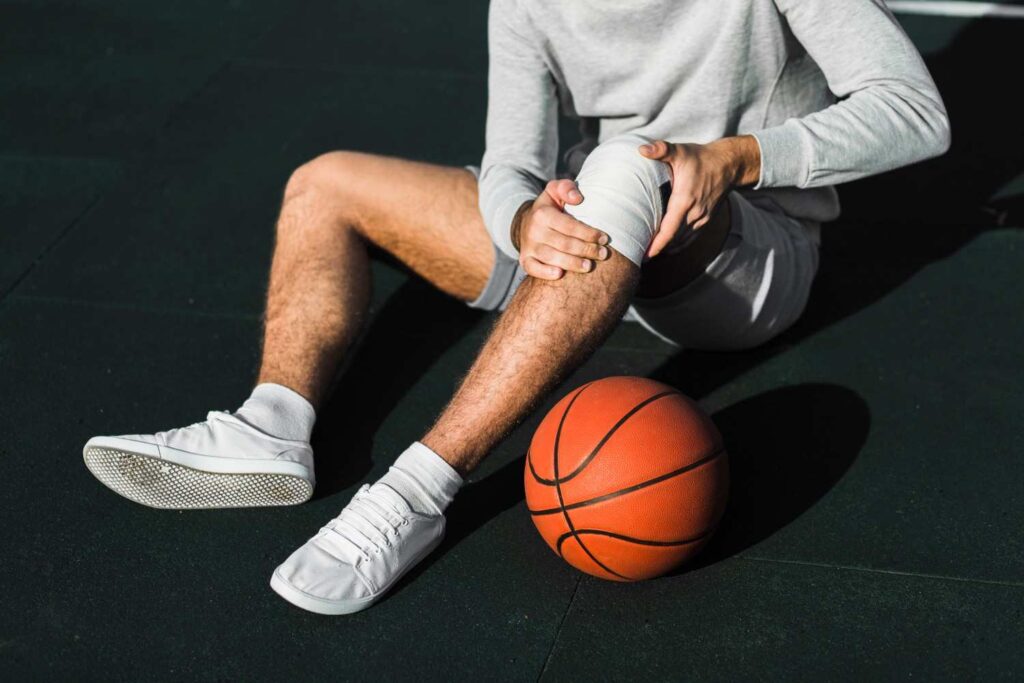
From weekend padel games to regular gym sessions and football matches, staying active is a big part of life in Doha. With that activity comes an inevitable reality: sports injuries happen, from a rolled ankle to a strained shoulder.
How an injury is handled in the first hours and days often matters just as much as the injury itself. Rushing back to activity, or simply hoping a nagging pain will fade on its own, are two of the most common reasons minor injuries turn into long-term problems.
The good news is that most sports injuries respond well to proper management, and many are preventable in the first place with a few consistent habits.
This guide covers the most common types of sports injuries, what to do immediately after one happens, the recovery process, and practical ways to reduce your risk going forward.
Book an Orthopedic Consultation
At American Hospital Clinics Doha today.
Quick Answer
Sports injuries range from minor strains to serious ligament tears, and how they’re managed in the first hours and days can significantly affect recovery time. Rest, proper diagnosis, and a structured recovery plan are key, while ignoring pain or returning to activity too soon often leads to longer-term problems.
Key Takeaways
- Most sports injuries fall into a few categories: sprains, strains, fractures, and overuse injuries
- The first 48 hours after an injury matter significantly for how well it heals
- Ignoring pain and pushing through it often makes injuries worse
- A proper diagnosis, sometimes with imaging, prevents guesswork in treatment
- Rehabilitation is just as important as initial treatment for full recovery
- Warm-up, proper technique, and gradual training loads all reduce injury risk
- Returning to sport too soon is one of the most common causes of re-injury
Common Types of Sports Injuries
- Sprains: stretched or torn ligaments, commonly affecting the ankle or knee
- Strains: stretched or torn muscles or tendons, often in the hamstring, back, or shoulder
- Fractures: broken bones, ranging from small stress fractures to more significant breaks
- Dislocations: when a joint is forced out of its normal position
- Tendinitis: inflammation of a tendon, often from repetitive movement
- Overuse injuries: gradual damage from repeated stress without adequate recovery time
Most Common Injuries by Activity
Padel and Tennis
Elbow and shoulder strain are common, often linked to repetitive swinging motion and, in some cases, technique issues.
Football
Ankle sprains, knee ligament injuries, and hamstring strains are frequent, often from sudden direction changes or contact.
Gym and Weightlifting
Lower back and shoulder injuries are common, frequently linked to improper form or lifting beyond current strength capacity.
Running
Knee pain and shin splints are common overuse injuries, often related to training load increasing too quickly.
What to Do Immediately After an Injury
- Stop the activity, continuing to play through pain often worsens the injury
- Rest the affected area and avoid putting weight on it if it’s painful to do so
- Apply ice to reduce swelling in the first 24 to 48 hours
- Use gentle compression, such as an elastic bandage, if appropriate
- Elevate the injured area when possible to help reduce swelling
- Seek a proper assessment if pain, swelling, or limited movement doesn’t start improving within a couple of days
Book your appointment
Limited slots available this month — Reserve yours now
Book an Orthopedic Consultation at American Hospital Qatar — No Referral Needed
Warning Signs You Shouldn’t Ignore
- Inability to bear weight or use the affected limb
- Visible deformity around a joint or bone
- Severe or rapidly increasing swelling
- Numbness, tingling, or loss of sensation
- Pain that isn’t improving, or is worsening, after a few days
Why Proper Diagnosis Matters
Not all injuries look the way you’d expect, a seemingly minor sprain can sometimes involve a more significant ligament tear, while a persistent ache might point to a stress fracture rather than simple muscle soreness. Imaging such as X-rays or ultrasound can clarify what’s actually happening, which prevents both under-treating a serious injury and over-restricting activity for a minor one.
The Recovery Process
Recovery typically moves through stages: initial rest and protection to allow healing to begin, gradually restoring normal joint motion, rebuilding strength around the injured area, and finally a structured, gradual return to full activity. Skipping stages, particularly rushing the final one, is one of the most common causes of re-injury.
Preventing Sports Injuries
- Warm up properly before activity and cool down afterward
- Focus on proper technique, coaching or guidance can make a real difference
- Increase training intensity and duration gradually rather than suddenly
- Use appropriate, well-fitted footwear and equipment for your sport
- Build in rest days to allow the body to recover
- Cross-train to avoid repetitive strain on the same muscles and joints
The Role of Age in Sports Injuries
Injury risk and recovery time can shift with age. Younger athletes are more prone to growth-related injuries and overuse patterns from intense training schedules, while older adults often see longer recovery times and a higher likelihood of degenerative changes contributing to an injury. Understanding these differences helps shape a more realistic, appropriate recovery timeline for each individual.
Common Recovery Mistakes to Avoid
- Returning to full intensity too soon after symptoms improve
- Skipping rehabilitation exercises once pain subsides
- Ignoring persistent weakness or reduced range of motion
- Comparing your recovery timeline to someone else’s rather than following individualized guidance
- Avoiding all movement entirely, when appropriate gentle activity often supports healing
How American Hospital Qatar’s Orthopedic Department Can Help
Our Orthopedic Department provides thorough evaluation and structured care for sports injuries at every stage, from diagnosis through full recovery.
- Sports Medicine Specialists: experienced in diagnosing and managing a wide range of sports injuries
- Diagnostic Imaging: on-site X-ray and ultrasound for accurate assessment
- Personalized Treatment and Rehab Plans: tailored to your specific injury and activity level
- Return-to-Sport Guidance: structured support to help you get back to activity safely
- Insurance Accepted: our team assists with pre-authorisation and claims
Frequently Asked Questions
How do I know if an injury is serious enough to see a doctor?
Is ice or heat better for a new injury?
How long does a typical sprain take to heal?
Can I keep exercising with a minor injury?
Do I need an X-ray for every injury?
What's the difference between a sprain and a strain?
Conclusion
Staying active comes with some risk of injury, but how you respond in the early stages, and how thoroughly you recover before returning to sport, makes all the difference to your long-term mobility and performance.
Whether you’re dealing with a fresh injury or a nagging ache that won’t go away, a proper evaluation gives you a clear plan rather than guesswork, and gets you back to the activities you enjoy with more confidence.
BOOK YOUR ORTHOPEDIC CONSULTATION NOW
Support safe recovery with expert sports injury care.
C Ring Road,Al Muntazah St Near Al Andalus Petrol Station, Doha, Qatar