


 عربي


Losing a tooth affects more than your smile. Without a root to stimulate it, the jawbone gradually shrinks, neighbouring teeth drift and chewing and speech can change. A dental implant replaces both the root and the crown, and is widely regarded as the closest option to a natural tooth. Restoring teeth together with the supporting bone and gum is known as dentoalveolar rehabilitation, the goal of modern implant care.
Book a Dental Implant Consultation
At American Hospital Clinics Doha today.
What is a dental implant?
An implant is a small titanium or ceramic post placed into the jawbone as an artificial tooth root. Over a few months, the bone bonds to the implant in a process called osseointegration. A connector (abutment) is then attached, and a custom crown, bridge or denture is fitted on top.
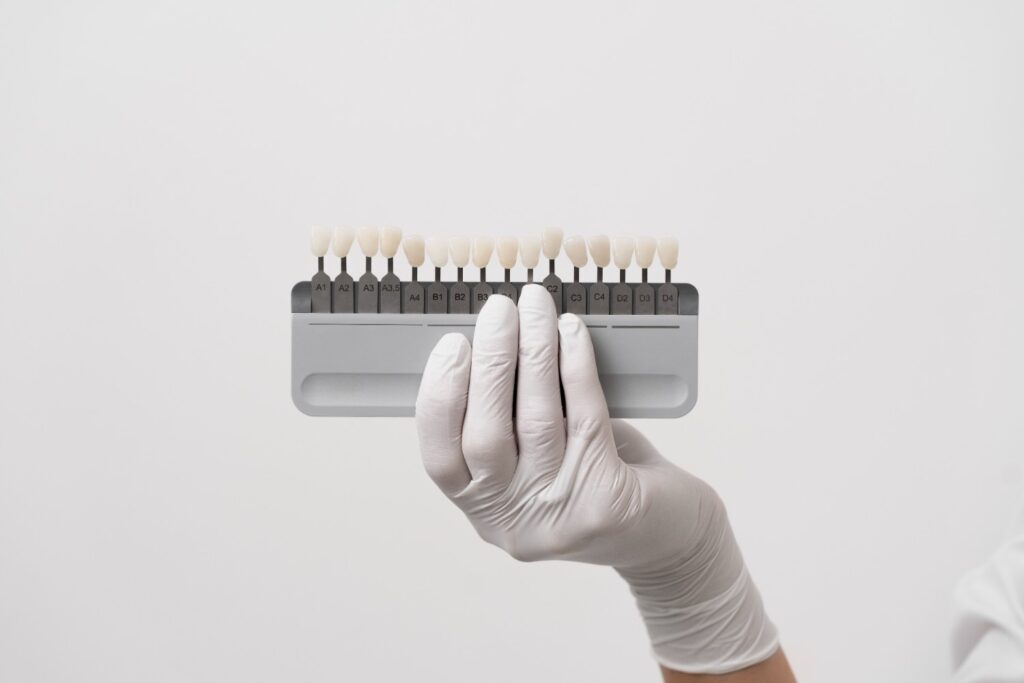
What is dentoalveolar rehabilitation?
The alveolar bone is the part of the jaw that holds your teeth. After tooth loss, infection, injury or long-term denture wear, this bone can thin or recede. Rehabilitation rebuilds the full picture: the missing teeth, the bone and gum that support them, and the bite that lets everything work together. It can involve extractions, bone grafting, sinus lifts and gum procedures, planned as one treatment journey.
Types of implant treatment
Single tooth implant: replaces one missing tooth without altering neighbouring teeth
Implant-supported bridge: replaces several adjacent teeth with fewer implants
Implant-supported dentures: secure a full arch on a small number of implants, giving far more stability than conventional dentures
Immediate implants: placed on the day a damaged tooth is removed, when conditions allow
Book your appointment
Limited slots available this month — Reserve yours now
Book a Dental Implant Consultation
Are you a good candidate?
Most healthy adults with enough bone and healthy gums can have implants. Your surgeon will assess bone volume, gum health, oral hygiene, smoking and medical conditions such as uncontrolled diabetes. Certain medicines, including some bone medicines and blood thinners, need planning with your doctor. Implants are generally not for children and young teenagers whose jaws are still growing. Thin bone does not rule out implants. It may simply mean a bone graft first.
The implant journey, step by step
Initial consultation and planning: examination, X-rays and 3D imaging to assess bone and nearby structures such as nerves and sinuses
Treatment plan: options, timeline and cost explained
Preparation: teeth that cannot be saved are removed and gum disease treated. Where needed, bone grafting or a sinus lift builds up the site and can take several months to mature
Implant placement: done under local anaesthetic, and usually well tolerated
Healing and osseointegration: typically three to six months, depending on the bone. A temporary tooth may be provided
Abutment and crown placement: once the implant is stable, the permanent tooth is attached
Maintenance: regular check-ups and cleaning keep the implant healthy
Recovery and aftercare
Some swelling, mild bruising and tenderness are normal for a few days and are managed with prescribed medication, cold compresses and rest. Eat soft foods at first, avoid disturbing the area, follow rinsing instructions and do not smoke or use shisha. Call your surgeon if pain, swelling or bleeding worsens, or if the implant feels loose.
Caring for implants for life
Implants cannot decay, but the gum and bone around them can become inflamed (peri-implantitis) if plaque builds up. Brush twice daily, clean between teeth and around implants with interdental brushes or a water flosser, see your dentist regularly, avoid smoking and treat teeth grinding with a night guard if advised. With good care, implants can last decades. See our post on tooth sensitivity and dental trauma for other protective tips.
Possible risks
As with any surgery, there is a small risk of infection, implant failure, sinus problems or nerve irritation. Careful planning, healthy gums, good hygiene and not smoking reduce these risks significantly.
