


 عربي


It starts like the flu: fever, headache, feeling awful. Then, in some cases, it moves fast. Meningitis is an inflammation of the membranes around the brain and spinal cord, and the bacterial form can become life-threatening within hours. World Meningitis Day, observed every 5 October, is a reminder that recognising the signs and staying vaccinated can save lives.
Book a General Medicine Consultation
At American Hospital Clinics Doha today.
Types of meningitis
Viral meningitis is the most common and usually milder. It often clears up with rest and fluids.
Bacterial meningitis is the most serious. Germs such as meningococcus, pneumococcus and Hib spread through coughing, sneezing, kissing and close contact.
Fungal and other forms are rare and mostly affect people with weakened immunity.
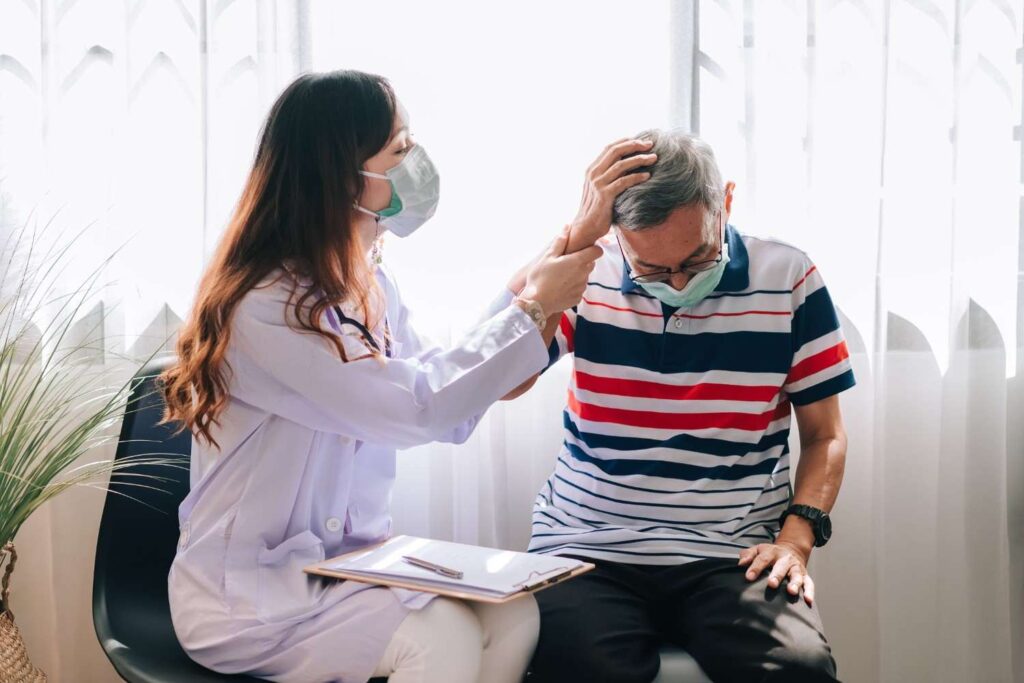
Symptoms to watch for
In adults and older children, look for sudden high fever, severe headache, stiff neck, sensitivity to bright light, nausea or vomiting, confusion or unusual sleepiness, and a rash that does not fade when a glass is pressed against it.
In babies, signs can include a bulging soft spot on the head, high-pitched or constant crying, poor feeding, floppiness or unusual drowsiness, and cold hands and feet with fever. Not every sign appears, and they can appear in any order.
When to seek urgent care
If you or your child has a fever together with a severe headache, stiff neck, confusion, drowsiness or a spreading rash, go to the nearest casualty department immediately or call 999. Do not wait for a rash to appear. Bacterial meningitis needs antibiotics as early as possible, and delay costs lives.
Book your appointment
Limited slots available this month — Reserve yours now
Book a General Medicine Consultation
How it is diagnosed and treated
Doctors examine the patient, take blood tests and usually perform a lumbar puncture to test the fluid around the spinal cord, sometimes after a brain scan. Bacterial meningitis requires hospital admission and intravenous antibiotics. Viral meningitis is mostly treated with rest, fluids and symptom relief. Because early treatment makes such a difference, anyone with suspected meningitis should be assessed in a hospital without delay.
Prevention: vaccines make the difference
Vaccination is the strongest protection. Vaccines exist against the main causes: meningococcal (ACWY and B), pneumococcal and Hib. Many are part of routine childhood schedules, and adults may need them in specific situations:
- Hajj and Umrah: Saudi Arabia requires proof of quadrivalent meningococcal (ACWY) vaccination for pilgrims. Many residents of Qatar travel for Umrah, so check your vaccination well before you go.
- Students and young adults living in shared accommodation.
- People without a spleen or with certain immune conditions.
- Travellers to regions where meningococcal disease is common.
Everyday habits also help: wash your hands, avoid sharing drinks and utensils, cover coughs and maintain good general health.
Recovery and long-term effects
Most people with viral meningitis recover fully within one to two weeks. After bacterial meningitis, some develop hearing loss, memory or concentration problems, headaches, balance issues or vision changes, so follow-up care matters.
