


 عربي


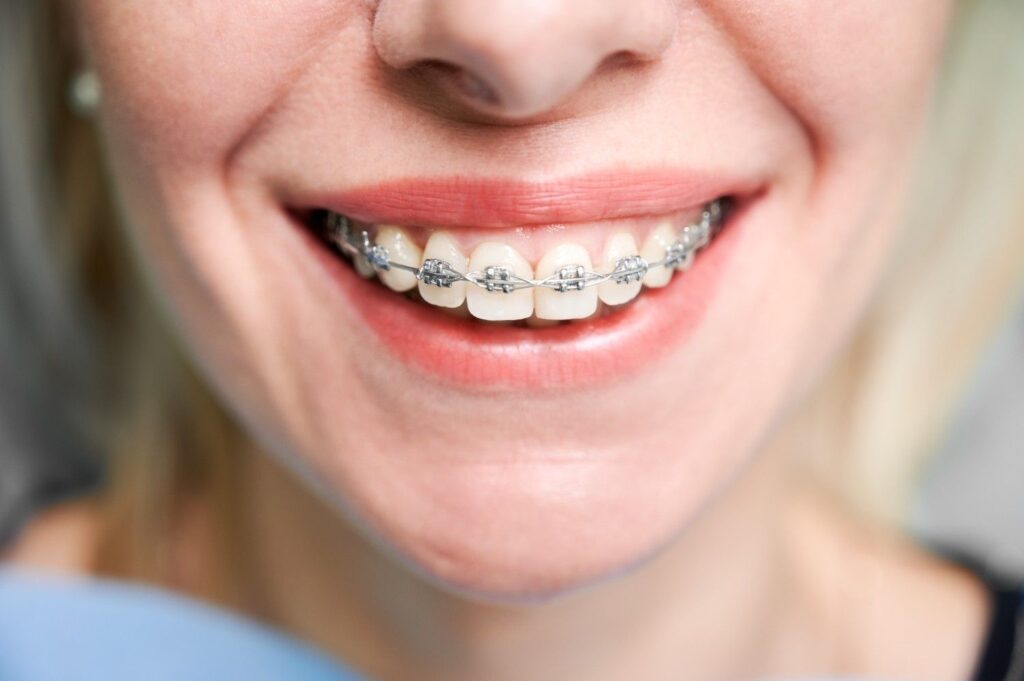
You want a straighter smile, but not the metal on show in every meeting, photo and video call. That is exactly why lingual braces have become popular with working professionals in Doha. They work like traditional braces, but the brackets and wires are fixed to the back (tongue side) of your teeth, so nobody sees them when you smile.
Book an Oral & Maxillofacial Surgery Consultation
At American Hospital Clinics Doha today.
What are lingual braces?
Lingual braces are fixed orthodontic appliances placed on the inner surfaces of the teeth. Because the inside of each tooth has a different shape, brackets are usually customised to fit. A thin wire running through them applies gentle, continuous pressure that moves teeth into position over time.
Who are they suitable for?
Lingual braces can treat crowding, gaps, crooked teeth, overbites, underbites and crossbites. They are popular with:
- Adults and professionals who do not want visible braces
- Teenagers and young adults mature enough to look after fixed appliances
- Public speakers, presenters and anyone for whom appearance matters
- Contact-sport players who prefer a smooth front surface
They are not ideal for everyone. Very short teeth, some severe bite problems or a very sensitive tongue may make other options better. An orthodontist will advise after examining you. If you are weighing your options, read our posts on clear aligners versus metal braces and why more adults are getting braces in Qatar.
Benefits
- Hidden from the front. Invisible in conversation and photos.
- Effective for many complex cases. They are fixed in place and work around the clock.
- Customised. Brackets are tailored to your teeth.
- Protects the visible tooth surface. The front of the teeth is less exposed to staining and marks.
Book your appointment
Limited slots available this month — Reserve yours now
Book an Oral & Maxillofacial Surgery Consultation
What to expect: the downsides
There is an adjustment period. Your tongue may feel sore or irritated for the first one to two weeks, and you may notice a slight lisp that usually settles within a few weeks. Cleaning takes more effort, appointments can take longer, and treatment generally costs more than traditional braces because of the customisation.
The treatment journey
- Consultation and records: examination, X-rays, photographs and scans.
- Treatment plan: expected movement, duration and cost explained.
- Fitting: braces bonded to the inner surfaces of the teeth.
- Adjustments: regular visits, usually every four to eight weeks.
- Retention: after braces, retainers keep teeth in place. Skipping retainers is the most common reason teeth drift back.
Treatment typically lasts 12 to 30 months, depending on complexity.
Lingual braces vs aligners vs metal braces
Clear aligners are removable and nearly invisible but depend on you wearing them 20 to 22 hours a day. Metal braces are the most economical and widely used but are visible. Lingual braces sit between them: fixed and hidden, with strong control for many bite problems, but they cost more and take longer to get used to.
Caring for lingual braces
- Brush after every meal and before bed, and use a small interdental brush
- Consider a water flosser to clean behind the wires
- Avoid sticky, hard and chewy foods that can break brackets
- Keep up with dental hygiene visits
- Wear retainers exactly as instructed
If a wire pokes or a bracket comes loose, our guide on orthodontic emergencies explains what to do.
