عربي


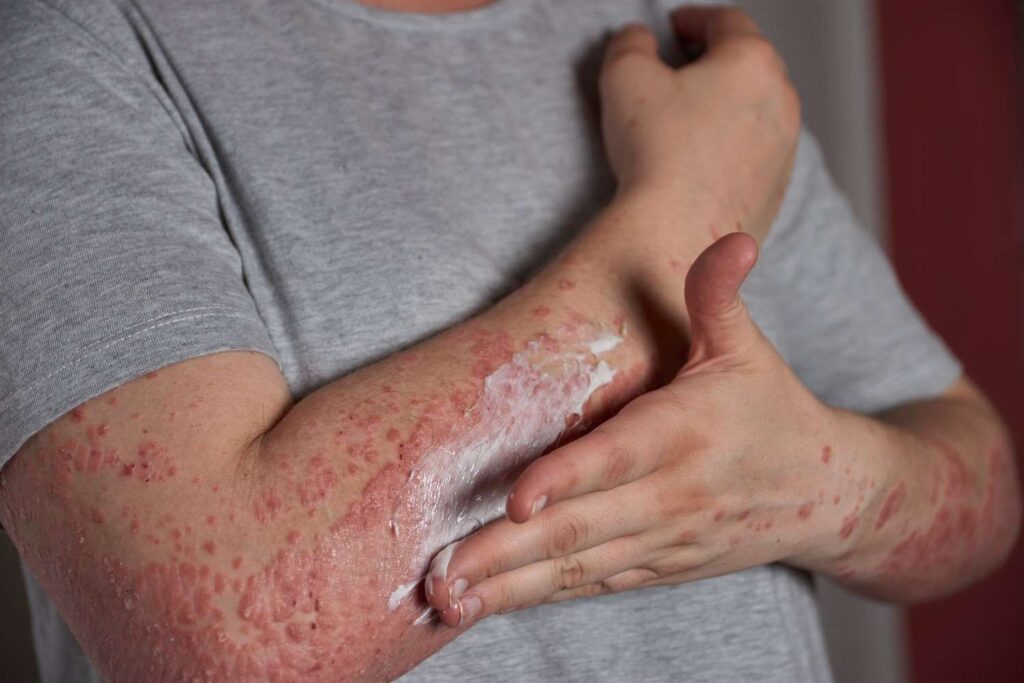
An itchy rash that appears after a trip to the pool. Dry, cracked patches on the hands that never quite heal. Hives that show up in the evening and are gone by morning, only to return a few days later. Skin problems like these are easy to put up with, and many people spend months trying one cream after another without knowing what is really behind them.
Living in Qatar adds its own factors. Strong sun, heat and sweat, dry air-conditioning, dust, and a long list of everyday products from perfumes and incense to hair dyes and henna all come into play. Some of these cause allergic reactions, some irritate the skin without being a true allergy, and some conditions look like allergies but have other causes. Telling them apart is what makes treatment work.
This guide explains the common skin allergies, their triggers and symptoms, how they are diagnosed, and when to see a skin allergy specialist in Qatar.
Book a Dermatology Consultation
At American Hospital Clinics Doha today.
Quick Answer
Skin allergies cause itching, redness, rashes, swelling, hives, dryness, or blisters, usually after contact with a trigger such as a metal, fragrance, plant, medicine, or food, or as part of a condition like eczema. They are common in Qatar, where heat, sweat, dust, dry indoor air, and frequent use of perfumes and cosmetics can all play a part. Many cases improve with trigger avoidance, moisturisers, and the right medication. See a skin allergy specialist in Qatar if a rash lasts more than a couple of weeks, keeps coming back, disturbs your sleep, or does not respond to over-the-counter creams. Swelling of the lips, tongue, or throat, or difficulty breathing, is an emergency, so call 999.
Key Takeaways
- Not every itchy rash is an allergy, and the right diagnosis decides the right treatment
- Common types include eczema, contact dermatitis, hives, and reactions to medicines
- Triggers in Qatar include heat and sweat, dust, dry air-conditioned air, chlorinated water, fragrances, and some cosmetics and hair products
- Black henna can cause serious allergic reactions and should be avoided
- Patch testing can identify the cause of contact allergies
- Treatment usually combines trigger avoidance, daily skin care, and medication when needed
- Swelling of the face or throat, or trouble breathing, needs emergency care
- Early treatment is easier than treating skin that has been scratched, cracked, or infected
Common Types of Skin Allergy and Allergic Skin Conditions
Allergic contact dermatitis: A delayed reaction when the skin touches something it has become sensitised to, such as nickel in jewellery and watch backs, fragrances, preservatives in creams, hair dye, rubber, or certain plants. The rash usually appears 1 to 3 days after contact, in the area that touched the trigger.
Irritant contact dermatitis: Not a true allergy, but often confused with one. Soaps, detergents, frequent handwashing, cleaning products, and chlorinated water strip the skin’s protective barrier and cause redness, dryness, and stinging, especially on the hands.
Atopic dermatitis (eczema): A long-term condition that causes dry, itchy, inflamed skin, often in the creases of the elbows and knees, on the face, neck, and hands. It often runs in families alongside asthma and hay fever, and flares in response to triggers such as heat, sweat, dryness, stress, and irritants.
Hives (urticaria): Raised, itchy welts that appear suddenly, move around, and usually fade within hours. They may be triggered by foods, medicines, infections, heat, pressure, or no clear cause. Hives that last more than six weeks are called chronic and are worth a specialist review.
Angioedema: Swelling of deeper layers of the skin, often around the eyes, lips, or tongue, sometimes with hives.
Drug reactions: Rashes can follow antibiotics, painkillers, and other medicines. Most are mild, but some are serious.
Sun-related reactions: Some people develop an itchy rash after sun exposure, sometimes called a sun allergy or polymorphic light eruption, which can be made worse by certain medicines or products.
Heat rash: Tiny itchy bumps from blocked sweat glands in hot, humid weather. It is not an allergy but looks similar and is very common in Qatar’s summer.
Common Symptoms
- Itching, which can be mild or intense and often worse at night
- Redness, rash, or patches of dry, scaly skin
- Raised welts (hives)
- Small blisters that may weep or crust
- Swelling of the eyelids, lips, or hands
- Burning or stinging
- Thickened, darkened skin from long-term scratching
- Cracks or splits, particularly on the hands and fingers
Emergency Signs: Call 999
Seek urgent medical help immediately if a skin reaction comes with:
- Swelling of the lips, tongue, face, or throat
- Difficulty breathing, wheezing, or a tight throat
- Dizziness, fainting, or a rapid heartbeat
- Widespread hives with vomiting or stomach cramps
- Blistering, peeling skin, or sores in the mouth, eyes, or genitals, especially after starting a new medicine
- A rash with fever that spreads quickly
These can be signs of a severe allergic reaction (anaphylaxis) or a serious drug reaction.
Common Triggers in Qatar’s Climate
- Heat, sweat, and humidity: worsen eczema, hives, and heat rash, and make itching more intense
- Dry air-conditioning: moving between hot outdoors and cool, dry indoors strips moisture from the skin
- Dust and sandstorms: can irritate the skin and trigger eczema and allergic symptoms
- Chlorinated pools and frequent showers: dry out and irritate the skin
- Perfumes, oud, and fragranced products: fragrance is a leading cause of contact allergy
- Bakhoor and incense smoke: can irritate sensitive skin and airways
- Black henna: often contains a chemical dye (PPD) that can cause blistering, scarring, and lifelong sensitivity. Natural henna is usually reddish-brown and does not normally contain it
- Hair dyes and cosmetics: common sources of contact allergy
- Nickel and cheap jewellery: a frequent cause of rashes under watches, earrings, and belt buckles
- Medicines and certain foods: can cause hives or rashes in some people
- Dust mites and pet dander: common allergens for people with eczema
- Stress and poor sleep: can make flares more frequent
Who’s at Higher Risk
- People with a personal or family history of eczema, asthma, or hay fever
- Those with very dry or sensitive skin
- Healthcare workers, cleaners, hairdressers, and others who wash their hands frequently or handle chemicals
- Outdoor workers exposed to heat, sweat, and dust
- Swimmers who spend a lot of time in chlorinated water
- People who use many fragranced or cosmetic products
- Anyone who has had a reaction to a medicine or product before
- Children, who commonly develop eczema, though adults can develop it too
Why Skin Allergies Shouldn’t Be Ignored
Constant itching affects sleep, concentration, and mood. Scratching damages the skin and opens the door to infection, and dry, cracked skin becomes more reactive. Repeated use of strong over-the-counter steroid creams or skin-lightening products can also thin the skin or cause other problems. A correct diagnosis helps you avoid the cycle of trying one product after another, and gives you a plan that actually works.
Book your appointment
Limited slots available this month — Reserve yours now
BOOK YOUR DERMATOLOGY CONSULTATION NOW
When to See a Skin Allergy Specialist in Qatar
Book an appointment if:
- A rash or itch has lasted more than two weeks
- The problem keeps coming back
- Itching disturbs your sleep or daily life
- Over-the-counter creams or antihistamines have not helped
- You get hives repeatedly, or they last for weeks
- Your skin is weeping, crusting, or looks infected
- You suspect a reaction to a product, jewellery, or medicine
- Your child has persistent dry, itchy patches
- Your hands are cracked or sore and affecting your work
A skin allergy specialist in Qatar can find the likely cause, test for allergies when appropriate, and create a treatment plan.
How Skin Allergies Are Diagnosed
Diagnosis starts with a conversation. Your dermatologist will ask when the problem began, where it appears, what seems to make it better or worse, your job and hobbies, the products you use, medicines, and any family history. They will examine the skin, often looking at patterns that give clues to the cause.
Depending on what they find, tests may include:
- Patch testing: small patches containing common allergens are placed on the back for about 48 hours, then read over several days. This helps identify the cause of contact allergies, such as nickel, fragrance, or preservatives
- Skin prick testing or blood tests: to look for allergies to foods, dust mites, pollen, or other triggers when relevant
- Skin swabs or scrapings: to check for infection or fungus that can mimic an allergy
- Blood tests: to look for underlying causes in cases of chronic hives
- Skin biopsy: a small sample in selected cases when the diagnosis is unclear
Not everyone needs all of these. Many people are diagnosed from their history and an examination alone.
Treatment Options
Treatment depends on the type of skin problem and how severe it is.
- Avoiding triggers: once the cause is known, avoiding it is the most effective step
- Daily moisturising: regular use of fragrance-free emollients repairs the skin barrier, especially for eczema and dry, air-conditioned environments
- Gentle skin care: lukewarm showers, mild soap-free cleansers, and patting the skin dry
- Topical corticosteroids: creams or ointments of the right strength, used for the right length of time, calm inflammation and itching
- Non-steroid creams: such as calcineurin inhibitors, used on sensitive areas like the face and skin folds
- Antihistamines: can help with hives and itching, and non-drowsy types are available. Sedating types can help with night-time itching in some cases
- Treating infection: if the skin has become infected, antibiotics or antifungals may be needed
- Phototherapy: controlled light treatment for selected cases of eczema and other skin conditions
- Oral or injectable treatments: for severe or persistent eczema and chronic hives that do not respond to other measures, prescribed and monitored by a specialist
- Follow-up: regular reviews to adjust treatment and prevent flares
Always use steroid creams as directed by your doctor, and avoid skin-lightening or unlabelled “herbal” creams, which sometimes contain hidden steroids or other harmful ingredients.
Everyday Skin Care Tips
- Moisturise at least once or twice a day, ideally right after a lukewarm shower
- Choose fragrance-free, dye-free products, and test new ones on a small area first
- Wear loose, breathable cotton in hot weather, and wash new clothes before wearing them
- Rinse off after swimming and moisturise afterwards
- Keep nails short to limit damage from scratching
- Wear gloves for cleaning, with cotton liners under them, and avoid prolonged wet work
- Use a humidifier or a bowl of water if indoor air is very dry
- Avoid black henna, and be careful with hair dye, patch testing before use
- Use sunscreen and cover up if sunlight triggers a rash
- Drink water through the day, especially in summer
Tips for Parents and Family Members
Children with eczema often scratch at night and may be tired and irritable by day. Keep moisturising a daily habit, keep nails short, avoid known triggers, and talk to a doctor before using steroid creams on young children. Be careful with food avoidance, as removing foods without proper advice can affect nutrition. If a child has swelling of the face or breathing difficulty after eating or a sting, call 999.
For adults, small steps from family members, such as helping with creams on hard-to-reach areas and keeping the home dust-free, make a difference.
Skin Allergies and Qatar’s Lifestyle Factors
Life in Qatar exposes skin to rapid changes: scorching outdoor heat and humidity, then cold, dry air-conditioning for much of the day. Sweat, sunscreen, and dust can sit on the skin, and frequent showers and hand sanitiser can dry it. Fragrance is part of daily life for many, from perfumes and oud to bakhoor, and henna and hair colouring are popular for celebrations. None of these need to be given up, but knowing which ones suit your skin matters.
During Ramadan, long fasting hours and less water can leave skin drier, so keep up your moisturising routine and drink plenty of water between iftar and suhoor. Many skin treatments are creams and ointments that do not affect fasting, but if you are taking tablets, ask your doctor about timing.
What a Typical Visit Looks Like
Initial Consultation
Your dermatologist asks about your symptoms, products, work, and medical history, then examines your skin.
Tests
If needed, patch testing, blood tests, or other checks help find the cause.
Personalized Plan
Results guide your treatment, which may include trigger avoidance, daily skin care, medication, and follow-up to check how your skin is responding.
How American Hospital Qatar’s Dermatology Department Can Help
At American Hospital Qatar, our Dermatology Department assesses and treats adults and children with skin allergies, eczema, hives, and other skin conditions.
- Experienced Dermatologists: careful assessment of rashes, itching, and allergic skin conditions
- Allergy Testing Guidance: advice on whether patch tests or other tests are right for you
- Personalized Treatment Plans: from daily skin care to medication, matched to your skin and lifestyle
- Ongoing Follow-Up: regular reviews to keep your skin under control
- Insurance Accepted: our team assists with pre-authorisation and claims
Frequently Asked Questions
How do I know if my rash is an allergy?
What is patch testing?
Can the heat in Qatar make eczema worse?
Is black henna safe?
Are antihistamines enough for skin allergies?
Can skin allergies develop in adults?
Are steroid creams safe?
Conclusion
Skin allergies are common, frustrating, and often misunderstood, but they can be managed. The first step is finding out what is causing your skin to react, whether it is a product, a condition like eczema, or something in the environment. From there, a clear plan makes a real difference.
If you have been dealing with an itchy rash that will not settle, or you are tired of trying one cream after another, a visit to a skin allergy specialist in Qatar is a sensible next step. American Hospital Qatar’s Dermatology Department is ready to help. Call +974 44421999 or visit americanhospital.qa to book a consultation.