عربي
عربي


One in Three Adults in Qatar Has High Blood Pressure. Most of Them Do Not Know It.
Hypertension — persistently elevated blood pressure — is the single leading modifiable risk factor for heart attack, stroke, heart failure, and kidney disease worldwide. And Qatar's specific lifestyle creates an environment where it thrives.
At American Hospital Clinics Doha, Dr. Sajjad Ali provides comprehensive blood pressure assessment, investigation of underlying causes, and personalised management plans — because hypertension left untreated is consistently fatal.
Why Qatar's Environment Raises Blood Pressure

1. Extreme Heat and Dehydration
Qatar's summer heat — regularly above 45°C — causes significant fluid and salt loss through sweating. Chronic dehydration activates the renin-angiotensin system, which raises blood pressure as the body tries to maintain circulation with less fluid volume.
2. High-Sodium Diet
Qatar's dining culture — heavy in processed foods, restaurant meals, and high-salt traditional dishes — creates chronically elevated sodium intake. The average Qatar adult consumes approximately 12g of salt per day — more than double the recommended maximum.
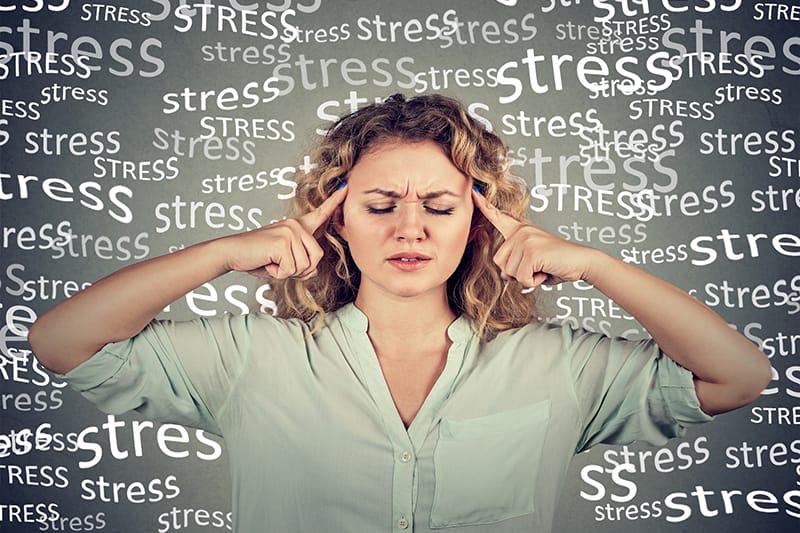
3. Chronic Workplace Stress
Long working hours, commuting in heat, high-pressure professional environments, and the particular stressors of expatriate life all activate the sympathetic nervous system chronically. Sustained cortisol and adrenaline elevation raises blood pressure persistently over months and years.
4. Physical Inactivity
Qatar's climate makes outdoor exercise impractical for much of the year. When combined with desk-based work and a driving-dominant culture, most adults in Qatar fall significantly short of recommended physical activity — and low activity is a direct driver of hypertension.
5. Obesity and Metabolic Syndrome
Qatar has one of the highest obesity rates in the world. Excess weight — particularly abdominal fat — raises blood pressure through multiple mechanisms including insulin resistance, increased cardiac output, and hormonal dysregulation.
Warning Signs of Uncontrolled High Blood Pressure
Hypertension is called the "silent killer" because most people have no symptoms until a crisis occurs. When symptoms do appear, they indicate very high pressure:
- Severe headache — particularly at the back of the head in the morning
- Visual disturbances — blurred vision or seeing spots
- Nosebleeds — particularly recurring
- Shortness of breath or chest tightness
- Sudden severe headache, confusion, or inability to speak — hypertensive emergency: call 999 immediately
Most hypertension causes no symptoms until it causes a stroke or heart attack. The only way to know your blood pressure is to measure it. At American Hospital Clinics Doha, this takes 90 seconds.
How Hypertension Is Managed at American Hospital Clinics Doha
1. Accurate Diagnosis and Staging
Multiple blood pressure readings over time, home blood pressure monitoring guidance, and 24-hour ambulatory blood pressure monitoring where indicated — ensuring the diagnosis is accurate before treatment is started.
2. Investigation of Underlying Causes
Secondary hypertension (caused by kidney disease, thyroid disorders, adrenal conditions, or sleep apnoea) is excluded with targeted blood tests, kidney function assessment, and specialist referral where needed.
3. Lifestyle Modification Plan
- Sodium reduction: target below 5g of salt per day
- DASH diet guidance: rich in vegetables, fruits, whole grains, and low-fat dairy
- Exercise prescription: 150 minutes of moderate aerobic activity per week
- Stress management: targeted strategies for Qatar's specific lifestyle stressors
- Alcohol reduction and smoking cessation support
4. Medication When Required
When lifestyle changes are insufficient, antihypertensive medication is prescribed and titrated to target. Modern antihypertensives are safe, effective, and well-tolerated — most patients require only one or two agents to achieve control.