عربي
عربي


Teeth Grinding at Night (Bruxism): Symptoms, Causes, and Solutions
If you’re waking up with a sore jaw, a dull headache, or your partner has mentioned hearing grinding noises at night, you might be dealing with bruxism, the medical term for teeth grinding or clenching, most often during sleep.
It’s a surprisingly common condition, often linked to stress, and one that many people don’t realise they have until a dentist points out the wear on their teeth.
This guide covers what bruxism actually is, why it happens, the symptoms to watch for, and the solutions that can protect your teeth and ease the discomfort. At American Hospital Clinics Doha, our experienced dental team provides comprehensive evaluation and personalized bruxism treatment in Qatar, helping patients protect their teeth, relieve jaw discomfort, and improve long-term oral health. American Hospital Clinics Doha offers tailored treatment plans based on the underlying cause and severity of each case.
Book a Dental Consultation
At American Hospital Clinics Doha today.
Quick Answer
Bruxism is the involuntary grinding or clenching of teeth, most often during sleep, frequently linked to stress, anxiety, or an irregular bite. Common signs include jaw soreness, morning headaches, and visible tooth wear. A custom night guard is one of the most effective and common ways to protect teeth from further damage while underlying causes are addressed.
Key Takeaways
- Bruxism often happens during sleep, meaning many people aren’t aware they’re doing it
- Stress and anxiety are among the most common triggers
- Morning jaw pain and headaches are classic signs worth paying attention to
- Left unaddressed, grinding can wear down enamel and damage teeth over time
- A custom night guard is one of the most effective ways to protect teeth
- Bruxism can sometimes point to a bigger issue, like a misaligned bite
- Managing stress can meaningfully reduce grinding frequency for some people
What Is Bruxism?
Bruxism refers to the involuntary grinding, clenching, or gnashing of teeth, most commonly occurring during sleep, though some people also clench during the day, often without realising it, particularly during moments of concentration or stress.
Because it frequently happens unconsciously during sleep, many people only discover they grind their teeth when a partner mentions the noise, or when a dentist notices unusual wear during a routine check-up.
Common Symptoms
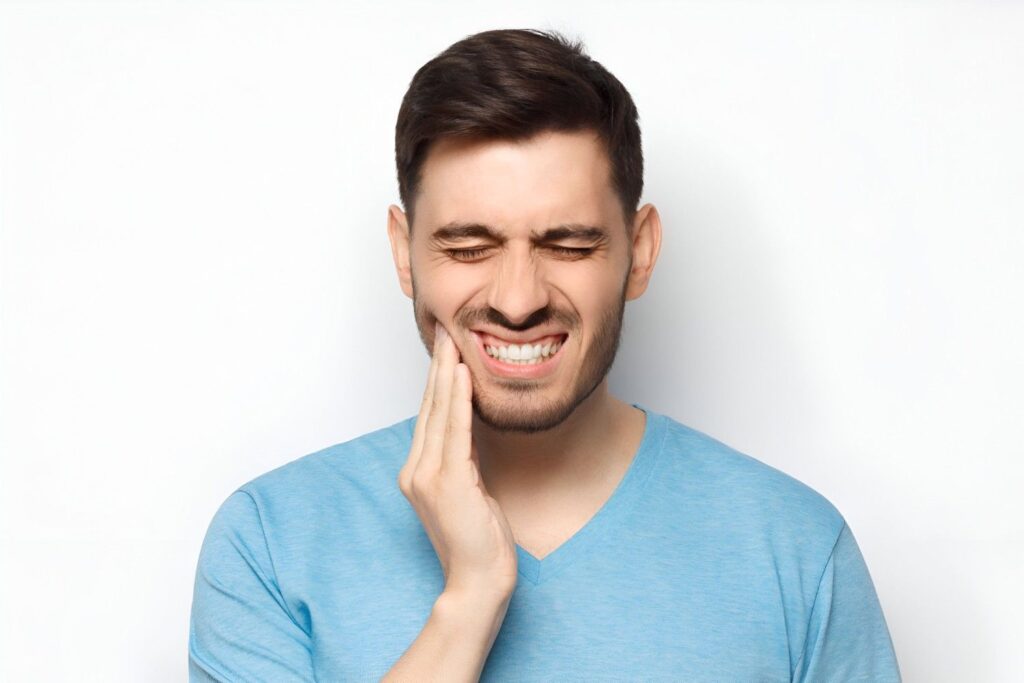
- Waking up with a sore or tight jaw
- Dull headaches, especially around the temples, upon waking
- Increased tooth sensitivity
- Visible flattening or wear on the biting surfaces of teeth
- A partner noticing grinding sounds during sleep
- Jaw clicking or discomfort when chewing
Book your appointment
Limited slots available this month — Reserve yours now
Book a Dental Consultation at American Hospital Clinics Doha
What Causes Teeth Grinding
Stress and anxiety are among the most commonly reported triggers, with grinding sometimes acting as an unconscious physical response to tension. An irregular bite, where the upper and lower teeth don’t align quite right, can also contribute, as can certain sleep patterns or disorders.
In many cases, bruxism results from a combination of these factors rather than a single, isolated cause, which is why identifying your specific pattern with a dentist can be helpful.
The Stress Connection
It’s common for grinding to increase during particularly stressful periods, whether related to work, personal circumstances, or major life changes. Some people notice their symptoms flare up during exam periods, demanding work deadlines, or times of significant change, then ease off once that stress passes.
This connection doesn’t mean stress is always the sole cause, but it’s frequently a meaningful piece of the puzzle worth paying attention to.
What Grinding Does to Your Teeth Over Time
Left unaddressed, chronic grinding gradually wears down the biting surfaces of teeth, which can lead to increased sensitivity, a flattened or shortened appearance, and in more severe cases, chips or cracks. The forces involved in grinding are considerably stronger than those used in normal chewing, which is why the damage can accumulate more quickly than people expect.
How Night Guards Help
A custom-fitted night guard creates a protective barrier between your upper and lower teeth, absorbing the force of grinding and preventing direct tooth-on-tooth contact. This doesn’t necessarily stop the grinding itself, but it significantly reduces the wear and damage it causes.
Custom-fitted guards, made specifically for your bite, are generally far more comfortable and effective than generic, one-size-fits-all versions.
When Grinding Signals a Bigger Problem
While occasional mild grinding is common and not usually cause for alarm, persistent symptoms, especially ongoing jaw pain, difficulty opening your mouth fully, or significant tooth wear, are worth having properly evaluated. In some cases, bruxism is connected to a misaligned bite or a sleep-related breathing issue that benefits from a broader assessment.
Managing Bruxism Beyond a Night Guard
- Practising stress management techniques, such as relaxation exercises before bed
- Being mindful of jaw clenching during the day and consciously relaxing it
- Limiting caffeine, particularly later in the day
- Establishing a consistent, calming bedtime routine
- Discussing persistent symptoms with your dentist to rule out other contributing factors
Daytime Clenching: A Different Pattern Worth Noticing
While bruxism is most commonly associated with sleep, some people clench their jaw during the day, often without realising it, particularly while concentrating, driving, or under stress. This pattern can cause similar symptoms to night grinding and is worth mentioning to your dentist, since the management approach can differ slightly from nighttime bruxism.
Simply becoming aware of the habit is often the first step toward reducing it, many people find that consciously checking in with their jaw throughout the day helps break the pattern over time.
What Happens If Bruxism Goes Untreated
Beyond the discomfort of jaw pain and headaches, untreated grinding can gradually lead to more significant issues: worn or fractured teeth, increased sensitivity, and in some cases, ongoing jaw joint discomfort that becomes harder to manage the longer it continues. Addressing it early, even with something as simple as a properly fitted night guard, prevents these more involved problems from developing.
How American Hospital Clinics Doha’s Dental Department Can Help
At American Hospital Clinics Doha, our Dental Department provides comprehensive evaluation and personalized treatment for bruxism to help protect your teeth and relieve the effects of night grinding.
- Comprehensive Bite Assessment: Identifying bite and alignment issues that may contribute to teeth grinding.
- Custom Night Guards: Professionally fitted appliances designed to protect your teeth and reduce grinding during sleep.
- Tooth Wear Monitoring: Regular assessments to detect enamel wear and prevent long-term dental damage.
- Personalized Guidance: Practical recommendations to help manage stress, reduce grinding triggers, and support long-term oral health.
- Insurance Support: Assistance with pre-authorisation and claims processing where applicable.
At American Hospital Clinics Doha, our experienced dental team is committed to helping you manage bruxism with effective, personalized care that protects your smile and improves your comfort.
Frequently Asked Questions
How do I know if I grind my teeth at night?
Is teeth grinding always caused by stress?
Do I need a custom night guard, or will a store-bought one work?
Can children grind their teeth too?
Will a night guard stop me from grinding altogether?
Can grinding cause jaw problems beyond just tooth wear?
How often should I replace my night guard?
Is daytime jaw clenching the same as night grinding?
What happens if I just ignore my teeth grinding?
Conclusion
Teeth grinding is common, often linked to stress, and very manageable once identified. A properly fitted night guard, combined with attention to your triggers, can protect your smile and ease the discomfort that often comes with it. At American Hospital Clinics Doha, our experienced dental team provides personalized bruxism treatment in Qatar, helping protect your teeth, reduce jaw pain, and support long-term oral health.
BOOK YOUR DENTAL CONSULTATION NOW
Wake up pain-free with expert care.
C Ring Road,Al Muntazah St Near Al Andalus Petrol Station, Doha, Qatar