عربي
عربي


Sunburn Care and Skin Recovery: How to Heal and Protect Your Skin
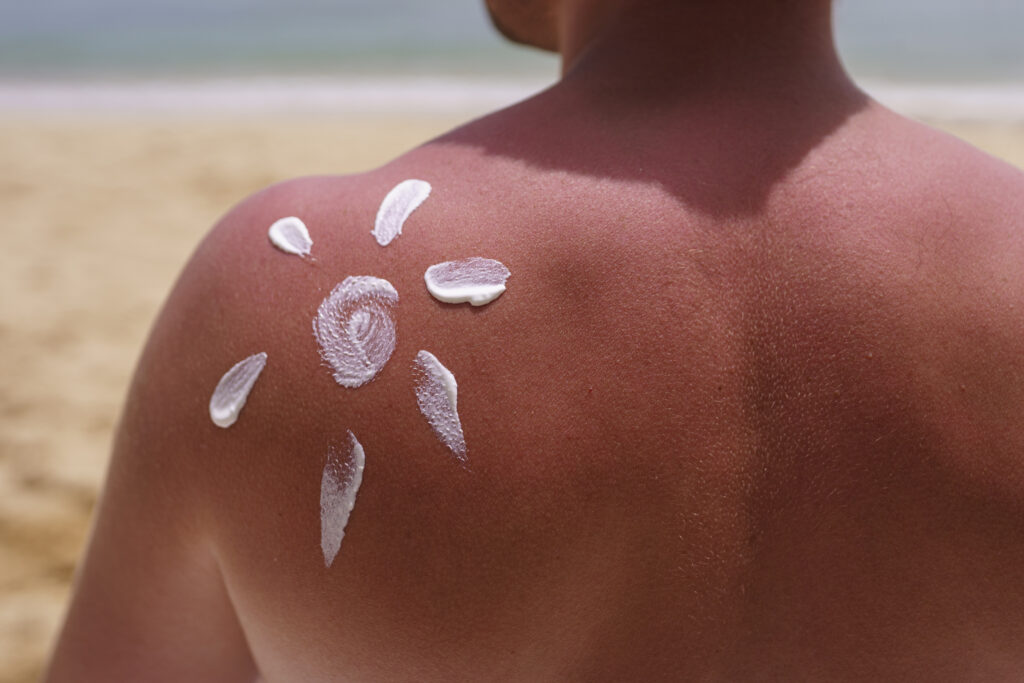
With sunshine for most of the year, sunburn is one of the most common skin concerns people in Qatar deal with, whether from a day at the beach, time by the pool, or simply underestimating how strong the midday sun really is.
This guide covers what’s actually happening to your skin during sunburn, how to support recovery, and when it’s time to see a dermatologist rather than just waiting it out.
It also looks at the bigger picture, since repeated sunburns add up over time and matter for your skin’s long-term health, not just how uncomfortable today feels. At American Hospital Clinics Doha, our Dermatology Department provides expert assessment and treatment for sunburn, helping patients recover safely while protecting their skin from long-term damage. American Hospital Clinics Doha also offers personalized guidance on sun protection and skin health for Qatar’s climate.
Book a Dermatology Consultation
At American Hospital Clinics Doha today.
Quick Answer
Sunburn is a form of skin damage caused by overexposure to UV rays, causing redness, pain, and sometimes swelling or blistering. Most mild sunburns improve with proper at-home care within about a week, but severe burns, blistering, fever, or signs of heat illness need prompt medical attention.
Sunburn is a form of skin damage caused by overexposure to UV rays, causing redness, pain, and sometimes swelling or blistering. Most mild sunburns improve with proper at-home care within about a week, but severe burns, blistering, fever, or signs of heat illness need prompt medical attention.
Key Takeaways
- Qatar’s intense year-round sun makes sunburn a common concern for residents and visitors alike
- Sunburn is a sign of real skin damage, not just temporary redness
- Mild sunburn can usually be managed with proper at-home care
- Severe sunburn, blistering, or fever needs prompt medical attention
- Repeated sunburns raise the long-term risk of skin damage and skin cancer
- Prevention is far easier, and far more comfortable, than recovery
- Sun protection matters even on cloudy days or during short outdoor exposure
What Happens to Skin During Sunburn
Sunburn occurs when UV radiation damages the outer layers of skin, triggering inflammation as the body responds to that injury. The redness, warmth, and discomfort you feel are all part of this inflammatory response, and the damage extends deeper than the surface symptoms suggest, even when the burn looks mild.
Common Symptoms
- Redness and warmth in the affected area
- Pain or tenderness to the touch
- Swelling in more significant burns
- Blistering in severe cases
- Peeling skin that typically appears several days later as the skin heals
Mild vs Severe Sunburn: Knowing the Difference
Mild sunburn generally involves redness and discomfort that can be managed at home. Severe sunburn is a different matter, marked by widespread blistering, significant swelling, fever, chills, dizziness, or nausea, and it needs medical attention rather than home care alone.
Signs of heat-related illness, such as feeling faint or confused, should always be treated as urgent, regardless of how the skin itself looks.
Book your appointment
Limited slots available this month — Reserve yours now
Book a Dermatology Consultation at American Hospital Clinics Doha
General At-Home Comfort Measures
- Cooling the skin gently, such as with a cool (not ice-cold) compress
- Staying well hydrated, since sunburn draws fluid to the skin’s surface
- Avoiding further sun exposure until the skin has healed
- Wearing loose, soft clothing over affected areas
- Gently moisturising once any initial heat and swelling has settled
Why Sunburn Risk Is High in Qatar
The UV index in Qatar remains high for much of the year, and reflective surfaces like sand and water can intensify sun exposure even when it doesn’t feel especially hot. Many people also underestimate risk during the cooler evening hours or on hazy days, when UV exposure can still be significant despite lower temperatures.
Long-Term Effects of Repeated Sun Damage
Beyond the discomfort of any single sunburn, repeated sun damage accumulates over time. This can contribute to premature ageing, uneven pigmentation, and, most importantly, a higher long-term risk of skin cancer. This is why consistent sun protection matters even when a burn seems minor or heals quickly.
When to See a Dermatologist
- Large or widespread blistering
- Signs of infection, such as increasing pain, warmth, or discharge
- Fever or chills alongside a sunburn
- A sunburn that doesn’t show signs of improvement after several days
- Any new or changing skin spots you’ve noticed, sun-related or not
Building Better Sun Habits
- Applying and reapplying sunscreen regularly throughout the day
- Seeking shade during peak sun hours
- Wearing protective clothing, hats, and sunglasses
- Being mindful of reflective surfaces like water and sand
- Remembering sun protection applies even on cloudy or overcast days
Common Misconceptions About Sunburn
- “I don’t burn, so I don’t need sunscreen” — everyone’s skin can be damaged by UV exposure, even without visible burning
- “A base tan protects against sunburn” — a tan itself is a sign of skin damage and offers very limited protection
- “I’m only at risk at the beach” — daily outdoor exposure, like walking or driving, adds up over time
- “Sunscreen once in the morning is enough” — reapplication throughout the day matters, especially with sweating or water exposure
How American Hospital Clinics Doha’s Dermatology Department Can Help
At American Hospital Clinics Doha, our Dermatology Department supports both immediate sunburn care and long-term skin health.
- Evaluation of Severe Sunburn: Prompt assessment and treatment when home care isn’t enough.
- Skin Damage Assessment: Comprehensive evaluation of sun-related skin damage and recovery needs.
- Personalized Sun Protection Guidance: Expert recommendations tailored to your skin type, lifestyle, and Qatar’s climate.
- Skin Cancer Screening: Regular monitoring for sun-related skin changes and early detection of potential concerns.
- Insurance Support: Assistance with pre-authorisation and claims processing where applicable.
At American Hospital Clinics Doha, our experienced dermatology team is committed to helping you recover from sunburn safely while protecting your skin’s long-term health.
Frequently Asked Questions
How long does sunburn take to heal?
Is peeling skin normal after sunburn?
Can sunburn happen on a cloudy day?
When should I see a doctor for sunburn?
Does sunburn increase skin cancer risk?
Can people with darker skin get sunburned?
Is aloe vera enough to treat sunburn?
How can I protect areas like my scalp, lips, and ears?
Conclusion
Sunburn is common in Qatar’s climate, but it’s also largely preventable, and worth taking seriously rather than brushing off. A little extra care in the sun today can make a real difference to your skin’s health years from now. At American Hospital Clinics Doha, our Dermatology Department provides expert evaluation and personalized treatment for sunburn and other sun-related skin concerns, helping you recover safely while protecting your skin for the future.
BOOK YOUR DERMATOLOGY CONSULTATION NOW
Protect your skin with expert care.
C Ring Road,Al Muntazah St Near Al Andalus Petrol Station, Doha, Qatar