عربي
عربي


Severe Flank Pain in Qatar's Heat? It Could Be a Kidney Stone — Here's What to Do.
Kidney stones are one of the most acutely painful conditions a person can experience — and they are significantly more common in Qatar than in cooler climates. The combination of extreme heat, high rates of dehydration, and certain dietary patterns in Doha creates near-ideal conditions for kidney stone formation.
If you've experienced sudden, severe pain in your side or back, blood in your urine, or burning during urination — a kidney stone is one of the most likely causes. Some kidney stones pass naturally. Others require medical or surgical intervention. A urologist is the only person who can make that determination accurately.
How Do Kidney Stones Form — and Why Is Qatar a High-Risk Environment?
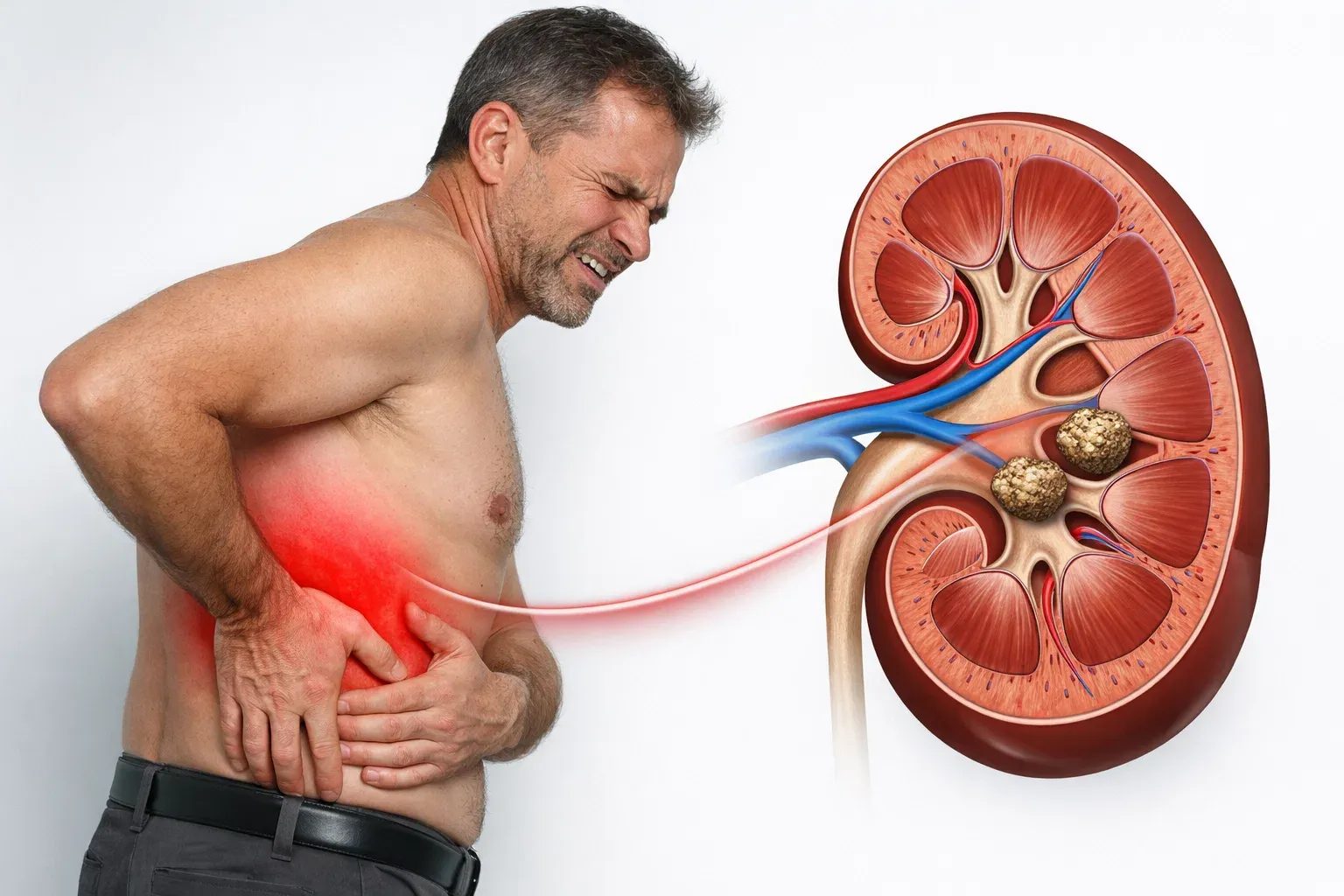
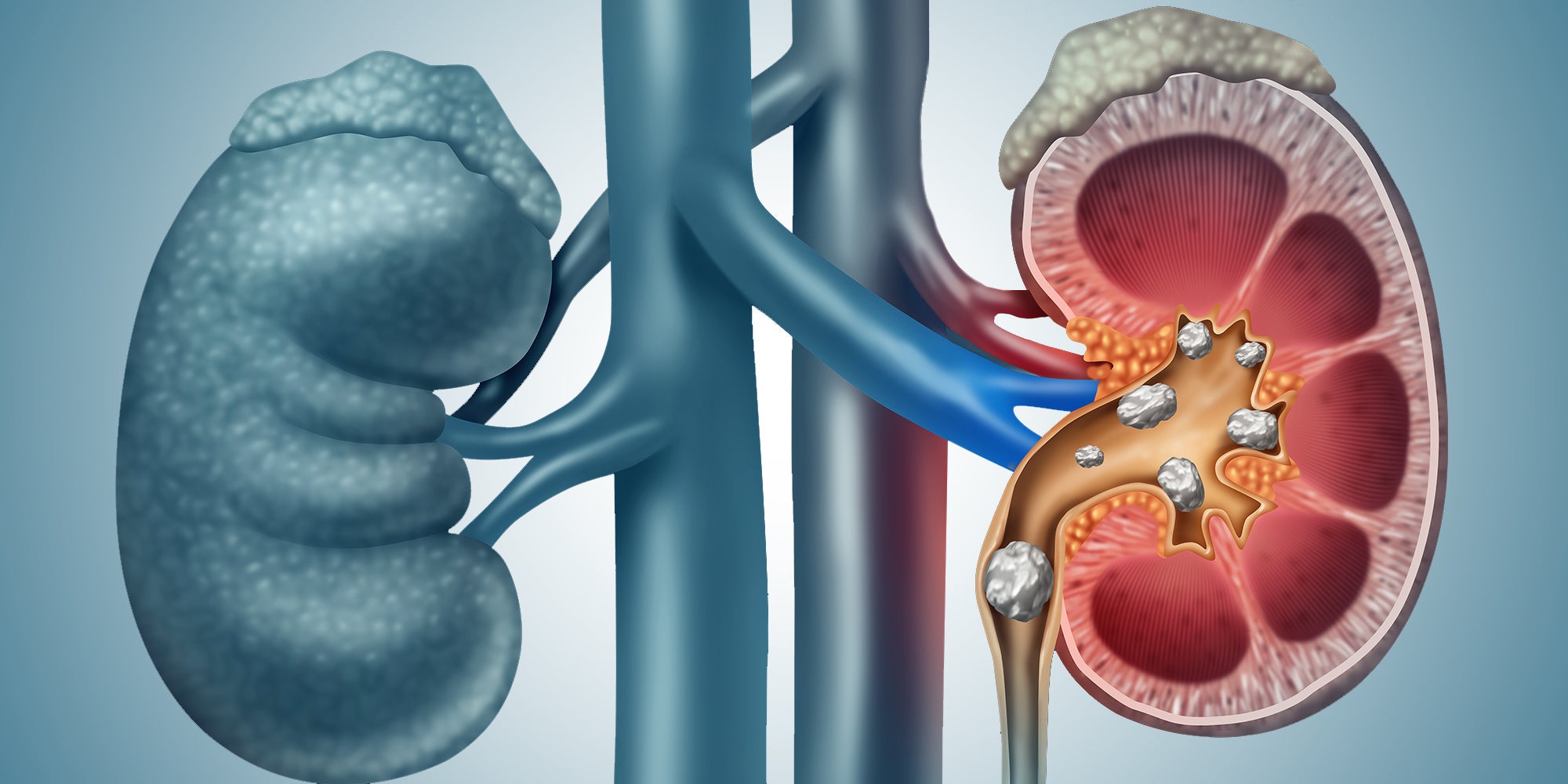
Kidney stones form when minerals and salts in the urine become too concentrated and crystallise. The most common types are calcium oxalate stones, uric acid stones (linked to high-protein diets), struvite stones (linked to UTIs), and cystine stones.
Qatar's environment dramatically increases the risk of stone formation. The extreme heat causes significant fluid loss through sweating — sometimes 1 to 2 litres per hour in outdoor workers. When this fluid loss isn't adequately replaced, urine becomes highly concentrated and minerals crystallise far more readily. Studies consistently show that populations living in hot, arid climates like the Arabian Peninsula have kidney stone rates 2 to 3 times higher than those in temperate climates.
5 Key Causes of Kidney Stones in Qatar
1. Chronic Dehydration — the Number One Cause in Qatar
Inadequate fluid intake is responsible for the majority of kidney stones in Qatar. When urine output drops below 1 litre per day, the concentration of stone-forming minerals reaches critical levels. People working outdoors, those who drink predominantly tea and coffee, and those who don't compensate for Qatar's heat with extra fluid are particularly at risk.
2. High-Protein Diet
Qatar's food culture includes high consumption of animal protein — red meat, chicken, and seafood. High dietary protein increases urinary calcium and uric acid, and lowers urinary citrate — a combination that significantly promotes kidney stone formation.
3. High Sodium (Salt) Intake
High salt intake increases the amount of calcium excreted in the urine, raising stone risk. Processed foods, fast food, and some traditional Qatari dishes can be high in sodium.
4. Low Fruit and Vegetable Intake
Citrate — found in citrus fruits — is the body's natural kidney stone inhibitor. It binds to calcium in the urine and prevents crystal formation. Low dietary citrate is a modifiable risk factor addressed as part of a urological kidney stone prevention plan.
5. Underlying Medical Conditions
Hyperparathyroidism, recurrent urinary tract infections, inflammatory bowel disease, gout, and certain metabolic conditions all increase kidney stone risk. A urologist will investigate for underlying causes — particularly in patients with recurrent stones.
Why Patients in Doha Choose American Hospital Clinics Doha
- Specialist Urologists — QCHP-licensed urologists with experience in the full spectrum of kidney stone management
- In-House Imaging — renal ultrasound, CT KUB, and X-ray all available at American Hospital Clinics Doha
- In-House Laboratory — urine analysis, urine culture, and stone composition analysis on-site
- Qatar-Climate Expertise — our urologists understand the specific dehydration and dietary risk factors that drive stone formation here
- Insurance Accepted — most major Qatari health insurers accepted for eligible consultations and procedures
- Trusted Since 1999 — over 25 years of multi-specialty patient care in Doha
Before Your Kidney Stone Consultation: What to Bring
- Bring or pass any stone you have managed to collect — analysis of stone composition guides both treatment and prevention
- Note your daily fluid intake honestly — how much water, tea, coffee, and other drinks per day
- List any previous kidney stone episodes — when they occurred, how they were managed, and any previous imaging
- Bring a mid-stream urine sample collected in a clean container from first-morning urine if possible
- List all current medications and supplements — some increase kidney stone risk (e.g. calcium supplements, vitamin D, certain diuretics)