عربي
عربي


That Burning Sensation When You Urinate — It's Not Something You Should Just Wait Out.
Urinary tract infections are one of the most common bacterial infections in the world — and one of the most frequently self-treated, under-investigated, and mismanaged. In Qatar, where heat-driven dehydration concentrates urine and hygiene challenges are amplified in shared workplaces, UTIs are a consistent and significant healthcare presentation.
While a straightforward UTI in a healthy young woman can often be treated with a short antibiotic course, the reality of UTIs in Doha is more complex: they recur frequently, are increasingly antibiotic-resistant, affect men and children as well as women, and can — when ignored or undertreated — progress to kidney infection or sepsis.
How Do UTIs Actually Work — and Why Are They So Common in Qatar?
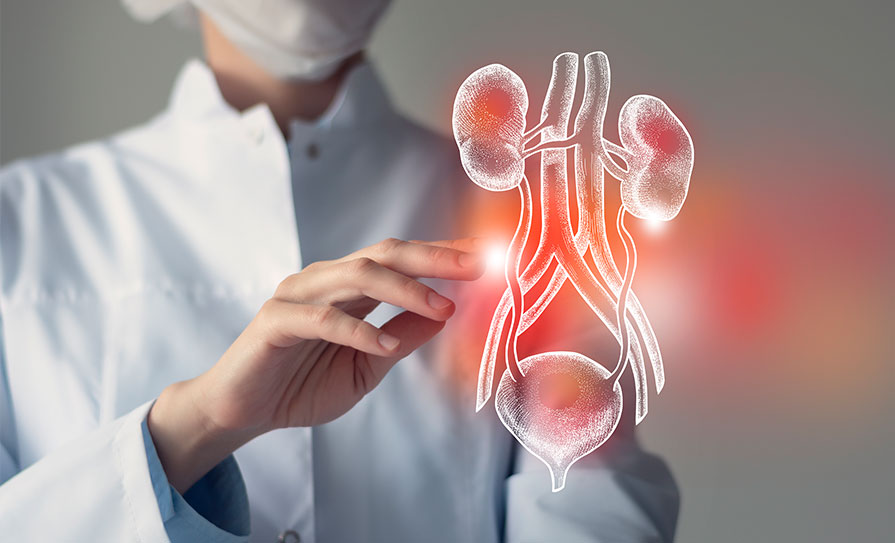
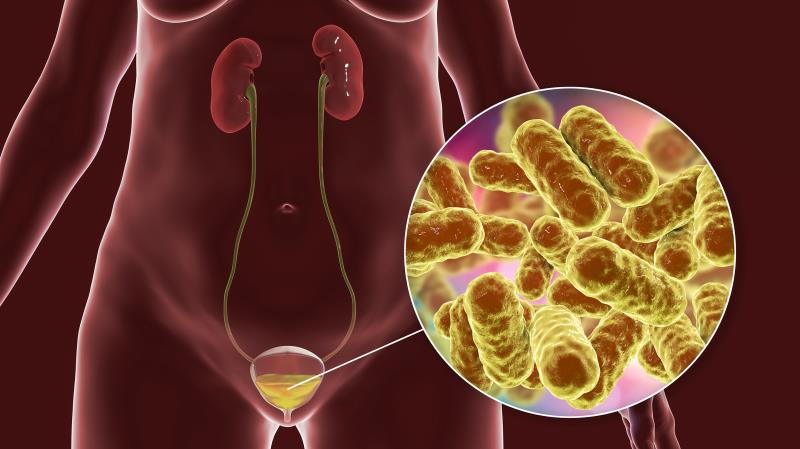
A urinary tract infection occurs when bacteria — most commonly E. coli from the gastrointestinal tract — enter the urethra and multiply in the bladder, ureters, or kidneys. The urinary tract has natural defences against infection, but when these are overwhelmed, infection establishes.
In Qatar, several factors increase UTI risk significantly: dehydration reduces urine output and the natural flushing effect that clears pathogens; Qatar's heat and humidity promote bacterial growth; shared workplaces and outdoor work sites create hygiene challenges; and for women, anatomical proximity of the urethra to the vagina and rectum means E. coli can enter the urinary tract easily.
5 Key Factors That Determine How Serious Your UTI Is
1. Is This Your First UTI or a Recurrent Infection?
A single, uncomplicated UTI in a young healthy woman can often be managed with a 3 to 5-day antibiotic course. Recurrent UTIs — defined as two or more in six months, or three or more in a year — require a full urology assessment to identify the underlying cause.
2. Are You Male, Pregnant, Elderly, or Immunocompromised?
In these groups, any UTI is considered a 'complicated' UTI requiring specialist assessment, extended treatment, and often urine culture before treatment starts. UTIs in men are always considered complicated because an anatomical or structural cause is much more likely. UTIs in pregnancy carry risks to both mother and foetus and require same-day treatment.
3. Do You Have Fever, Flank Pain, or Nausea and Vomiting?
These symptoms — particularly the combination of fever above 38°C and flank pain — indicate that the infection has spread from the bladder to the kidneys (pyelonephritis). Pyelonephritis is a significantly more serious condition requiring prompt medical assessment, IV or oral antibiotics, and sometimes hospital admission.
4. Did a Previous Antibiotic Course Not Work?
In Qatar's healthcare environment, antibiotic resistance in urinary bacteria is an increasing problem. If you completed a full antibiotic course and symptoms returned within 2 weeks, the bacteria may be resistant. This requires a urine culture — not simply repeating the same prescription.
5. Do You Have an Indwelling Catheter, Kidney Stones, or a Structural Abnormality?
Urinary catheters, kidney stones, ureteral stents, anatomical abnormalities, and neurological conditions affecting bladder function all increase UTI risk and complexity. UTIs in these contexts require urological assessment and culture-guided treatment.
Why Patients in Doha Choose American Hospital Clinics Doha for UTI Treatment
- In-House Urine Analysis and Culture — same-day urine analysis and culture to identify the causative bacteria and guide the most effective antibiotic
- Specialist Urology Assessment — for recurrent, complicated, or male UTIs, a urologist identifies the underlying cause, not just the infection
- Imaging Available In-House — renal ultrasound and CT KUB to assess for structural causes of recurrent UTIs
- Antibiotic Stewardship — we prescribe targeted, culture-guided antibiotics, not broad-spectrum empirical courses that contribute to resistance
- UTI Prevention Planning — personalised prevention strategies for recurrent sufferers — dietary, behavioural, and where appropriate, prophylactic antibiotic protocols
- Insurance Accepted — most major Qatari health insurers accepted
- Trusted Since 1999 — over 25 years of multi-specialty care in Qatar
After UTI Treatment: How to Prevent Recurrence in Qatar
- Drink a minimum of 2.5 litres of water per day — concentrated urine promotes bacterial growth and reduces the natural flushing effect that prevents UTIs
- Urinate after sexual intercourse — for women, this is one of the most evidence-based single interventions for preventing recurrent UTIs
- Wipe front to back after using the toilet — prevents faecal bacteria from entering the urethra
- Avoid perfumed soaps and feminine hygiene sprays near the urethra — these disrupt the natural bacterial balance
- Complete the full antibiotic course every time — stopping early when symptoms improve is a common cause of recurrent, antibiotic-resistant UTIs
- Attend your follow-up urine culture 5 to 7 days after completing treatment — confirms the infection has been fully cleared