عربي
عربي


Understanding the Increased Risk of Urinary Tract Infections During Summer
Urinary tract infections (UTIs) are among the most common bacterial infections worldwide, affecting millions of people every year. Women are four times more likely than men to develop a UTI, and in Qatar’s summer, the risk increases even further. At American Hospital Clinics Doha, our specialists regularly diagnose and treat urinary tract infections, helping patients manage symptoms early and reduce the risk of complications.
The reason is straightforward but important: the combination of extreme heat, increased sweating, dehydration, and warm, humid conditions creates an ideal environment for bacteria to grow and spread. Research has shown a 15–30% increase in UTI cases as temperatures rise, making prevention especially important during Qatar’s hottest months. American Hospital Clinics Doha provides expert evaluation, treatment, and personalised guidance to help patients prevent recurrent urinary tract infections and maintain good urinary health throughout the summer.
Book your women’s health appointment
At American Hospital Clinics Doha today.
Quick Answer
UTIs are significantly more common during summer because heat increases sweating and dehydration, reducing urine output and allowing bacteria to multiply more easily in the urinary tract. Qatar’s extreme heat and humidity amplify these factors. Women are particularly vulnerable due to anatomical differences that make bacterial entry into the urethra easier. Staying well-hydrated, maintaining good hygiene, wearing breathable clothing, and avoiding delayed bathroom visits are the most effective preventive measures.
Key Takeaways
- Summer heat increases UTI risk by 15 to 30% as dehydration reduces urine flow, allowing bacteria to grow.
- Women are four times more likely than men to develop UTIs due to the shorter female urethra.
- Qatar’s extreme heat and humidity create ideal conditions for bacterial growth.
- Dehydration — common in Qatar’s summer — is the primary driver of increased summer UTI risk.
- Symptoms include burning during urination, frequent urges to urinate, cloudy or strong-smelling urine, and pelvic discomfort.
- Untreated UTIs can progress to kidney infections, which are more serious and require urgent treatment.
Understanding Summer UTI Risk
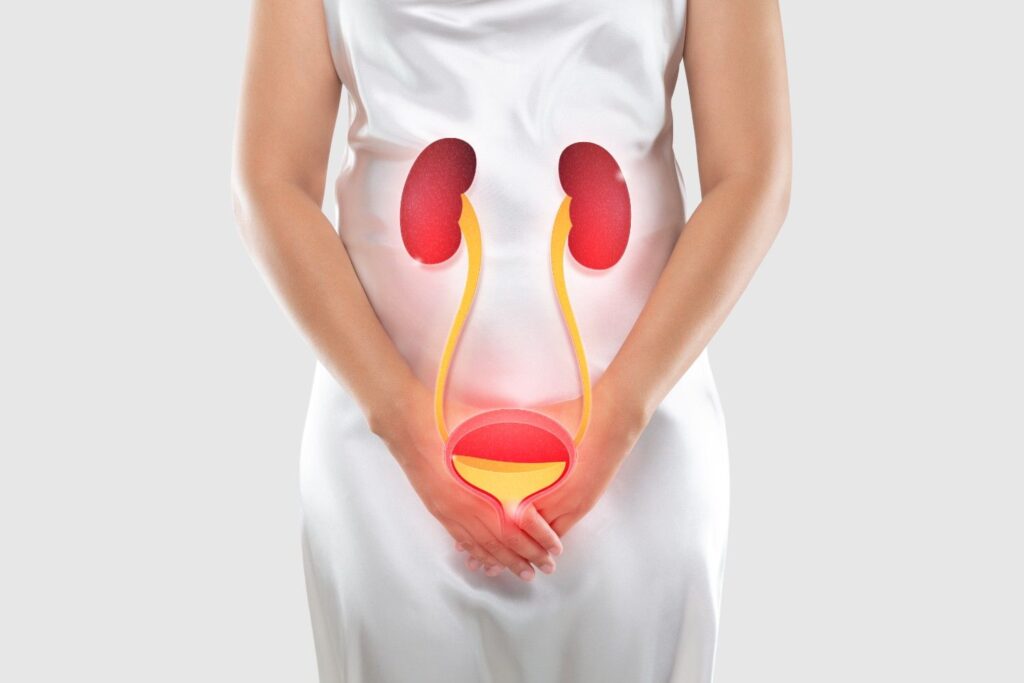
A urinary tract infection occurs when bacteria enter the urethra and travel into the bladder. In some cases, the infection spreads to the kidneys. Women are particularly susceptible because the female urethra is shorter, making it easier for bacteria to reach the bladder.
In hot weather, the risk increases for several reasons:
- Sweating causes fluid loss, reducing urine output and concentration — which means bacteria remain in the urinary tract longer without being flushed away.
- Higher ambient temperatures create ideal conditions for bacterial growth and multiplication.
- Dehydration — which is near-universal in Qatar’s summer without deliberate management — directly reduces the mechanical “flushing” action of normal urination.
Common Causes in Qatar’s Summer Context
- Dehydration from inadequate fluid intake in extreme heat
- Extended periods in wet swimwear or damp clothing
- Swimming in warm or inadequately chlorinated water
- Using public pools, particularly without showering before and after
- Holding urine for extended periods when outdoors or busy
- Wearing tight, synthetic underwear that traps heat and moisture
Signs and Symptoms
Classic UTI symptoms:
- Burning or pain during urination
- Frequent, urgent need to urinate, even when the bladder is almost empty
- Cloudy, dark, or strong-smelling urine
- Pelvic discomfort or pressure, particularly in the lower abdomen
- A feeling of incomplete bladder emptying
Signs the infection may have spread to the kidneys (requires urgent care):
- Fever and chills
- Back or flank pain (the sides of the lower back, near the kidneys)
- Nausea and vomiting
- Generally feeling very unwell
Book your appointment
Limited slots available this month — Reserve yours now
Book your women’s health appointment at American Hospital Clinics Doha today.
Who Is Most at Risk?
- Women (four times more vulnerable than men)
- Pregnant women (UTIs during pregnancy require prompt treatment as they carry additional risks)
- Postmenopausal women (hormonal changes reduce natural protective mechanisms)
- Women using certain contraceptive methods including diaphragms and spermicides
- People with diabetes, which increases susceptibility to infections
- Anyone who is significantly dehydrated
Why It Matters in Qatar’s Climate
Qatar’s summer creates the ideal conditions for UTI development: extreme heat, significant dehydration risk, high humidity supporting bacterial growth, and common summer activities (swimming, outdoor events) that increase exposure to bacteria. The population of Qatar includes a large proportion of women who are active, working, and managing families in this challenging climate. UTIs, while often treatable, can escalate rapidly into kidney infections — particularly if medical care is delayed or not sought. Awareness and prevention are the most important first steps.
Prevention Tips
- Drink consistently throughout the day. Aim for at least 2 to 3 litres of water daily. Adequate urine output is the body’s most effective natural defence against UTIs.
- Do not hold urine. Go to the bathroom when you feel the urge — holding urine gives bacteria more time to multiply.
- Change out of wet swimwear promptly after swimming — do not sit in wet clothing for extended periods.
- Shower after swimming in pools or natural water.
- Wear breathable, cotton underwear rather than tight synthetic fabrics that trap heat and moisture.
- Wipe front to back after using the toilet, to prevent transfer of bacteria from the digestive tract to the urethra.
- Avoid using perfumed hygiene products around the genital area — these can disrupt the natural bacterial balance and increase infection risk.
- Limit caffeine and alcohol, which reduce urine output and irritate the bladder.
Healthy Lifestyle Recommendations
- Include cranberry products in your diet if you experience recurrent UTIs — some evidence supports their role in reducing adhesion of bacteria to the urinary tract lining, though they are not a replacement for medical treatment.
- Maintain a healthy diet rich in probiotics (yogurt, fermented foods) which support a healthy microbial balance.
- If you have a history of recurrent UTIs, discuss a preventive management plan with your doctor.
When Should You Seek Medical Advice?
Seek medical advice promptly if:
- You have symptoms of a UTI — do not try to manage it solely through hydration at home
- You are pregnant and have any UTI symptoms (requires immediate treatment)
- Symptoms do not improve within a few days of starting treatment
- You develop fever, back pain, or nausea alongside urinary symptoms (possible kidney infection)
- You experience recurrent UTIs — more than two or three per year warrants investigation
Treatment and Management Options
Most uncomplicated UTIs are treated with a short course of antibiotics. The specific antibiotic prescribed depends on the bacteria identified in a urine test (urine culture). It is important to complete the full antibiotic course even if symptoms resolve earlier, to ensure the infection is fully cleared and to prevent antibiotic resistance. More severe cases, particularly kidney infections, may require intravenous antibiotics. Recurrent UTIs may require a longer-term preventive antibiotic strategy or further investigation for underlying causes.
How the Obstetrics & Gynecology Department at American Hospital Clinics Doha Can Help
The Obstetrics and Gynecology team at American Hospital Clinics Doha offers expert diagnosis and management of UTIs and related conditions in women. Services include urine testing and culture to identify the specific bacteria and determine the most effective antibiotic treatment, assessment and management of recurrent UTIs, specialised care for UTIs during pregnancy, investigation of underlying causes in women with frequent infections, and general women’s health services addressing the full spectrum of summer health concerns. The team provides compassionate, private, and professional care in a comfortable clinical environment.
Myth vs Fact
Myth: UTIs will clear up on their own with enough water.
Fact: Increased fluid intake can help in very mild early cases, but UTIs generally require antibiotic treatment to clear the bacterial infection fully. Delaying treatment can allow the infection to spread to the kidneys.
Myth: Only women get UTIs.
Fact: Men can also develop UTIs, though they are four times less common due to the longer male urethra. In men, UTIs are more often associated with underlying conditions and should always be medically evaluated.
Myth: Cranberry juice cures UTIs.
Fact: Cranberry products may have a mild preventive role in some women with recurrent UTIs, but they do not cure an active infection. Antibiotics are required for treatment.
Myth: If my symptoms have gone, the UTI is cleared.
Fact: Symptoms may improve before the bacterial infection is fully treated. Always complete a full antibiotic course as prescribed, and follow up as recommended by your doctor.
What Our Patients Say
— Noura
Frequently Asked Questions
Why are UTIs more common in summer in Qatar?
How do I know if I have a UTI or a kidney infection?
Can a UTI harm my unborn baby during pregnancy?
How quickly should a UTI be treated?
Can I prevent UTIs if I am prone to getting them?
Is it safe to swim with a UTI?
Conclusion
Summer in Qatar brings a significantly higher risk of urinary tract infections, largely due to extreme heat, dehydration, and humidity. For women in particular, understanding these risk factors and taking preventive measures can make a meaningful difference. At American Hospital Clinics Doha, our Women’s Health specialists help patients prevent, diagnose, and treat urinary tract infections with personalised, evidence-based care.
The good news is that UTIs are highly preventable with healthy daily habits, and when they do occur, they are usually very treatable with prompt medical attention. Do not ignore symptoms or delay seeking care. American Hospital Clinics Doha is here to provide fast, compassionate treatment and comprehensive women’s healthcare to help you stay healthy throughout every season.
Book your appointment
Care for your urinary health with expert specialists.
C Ring Road,Al Muntazah St Near Al Andalus Petrol Station, Doha, Qatar