عربي
عربي


Why Muscle Cramps Are More Common During Summer and How to Prevent Them
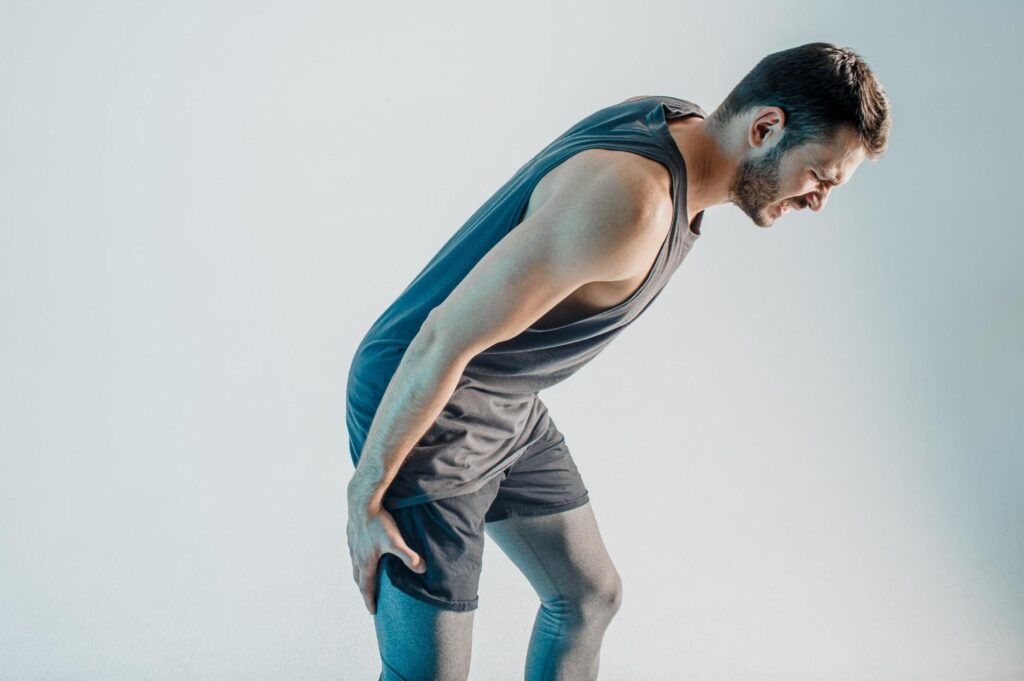
If you have ever been jolted awake by a sudden, painful cramp in your calf during Qatar’s hot months, or felt your hamstring seize up while walking on a scorching afternoon, you are far from alone. Muscle cramps are one of the most common—and most underestimated—health complaints during Qatar’s summer. At American Hospital Clinics Doha, our Orthopedics and Physiotherapy specialists frequently help patients manage muscle cramps and identify the underlying causes to prevent them from recurring.
While an occasional cramp may seem like a minor inconvenience, frequent or severe muscle cramps are often the body’s way of signalling that something deeper is out of balance—most commonly dehydration and electrolyte depletion, both of which are especially common during Qatar’s intense summer heat. American Hospital Clinics Doha provides expert assessment, personalised treatment, and preventive guidance to help patients stay active, reduce muscle cramps, and maintain their musculoskeletal health throughout the summer.
Quick Answer
Muscle cramps are sudden, involuntary muscle contractions that become significantly more common during summer due to dehydration and electrolyte loss through sweating. In Qatar’s extreme heat, the body can lose more than a litre of sweat per hour, depleting sodium, potassium, magnesium, and calcium — all essential for normal muscle function. Prevention involves consistent hydration, electrolyte replenishment, proper stretching, and pacing physical activity to avoid the hottest parts of the day.
Key Takeaways
- Muscle cramps occur when dehydration and electrolyte loss disrupt normal muscle function.
- Qatar’s extreme heat accelerates fluid and electrolyte loss through sweating, increasing cramp frequency.
- The calves, hamstrings, quadriceps, and abdomen are common cramp locations.
- Stretching, hydration, and electrolyte-rich foods are effective preventive measures.
- Children, elderly individuals, and those who are physically active outdoors are at higher risk.
- Persistent or severe cramps may indicate an underlying medical issue that warrants assessment.
Understanding Muscle Cramps
A muscle cramp is a sudden, involuntary contraction of a muscle that does not relax on its own. Cramps can be intensely painful and typically last from a few seconds to several minutes. While the exact mechanism is not fully understood, dehydration and electrolyte imbalance are widely recognised as major contributing factors.
Electrolytes — particularly sodium, potassium, magnesium, and calcium — play a critical role in how muscles contract and relax. When these minerals become depleted through excessive sweating, the normal signalling between nerves and muscles is disrupted, making involuntary contractions more likely. Reduced blood volume from dehydration also means less blood flow reaches the muscles, contributing further to cramping.
In Qatar’s summer, where temperatures regularly exceed 45°C, the body’s sweat output increases dramatically — even during relatively light activity. This creates the perfect conditions for cramps to develop, both during activity and, frustratingly, often at rest — particularly at night.
Common Causes
- Dehydration from inadequate fluid intake relative to Qatar’s heat
- Electrolyte loss — particularly sodium, potassium, and magnesium — through sweating
- Physical activity or exercise in hot conditions without adequate preparation
- Poor warm-up or stretching before activity
- Prolonged sitting or standing in hot environments
- Certain medications, including diuretics, that affect fluid and electrolyte balance
- Underlying conditions such as diabetes, kidney disease, or thyroid disorders
Signs and Symptoms
- A sudden, sharp, painful tightening of a muscle — commonly the calf, hamstring, quadriceps, or abdominal muscles
- A visible or palpable hard knot in the affected muscle
- Pain that persists for seconds to several minutes
- Residual soreness in the muscle after the cramp resolves
- Cramps that occur repeatedly, particularly at night or after physical activity
Book your appointment
Limited slots available this month — Reserve yours now
Book your appointment at American Hospital Clinics Doha today.
Who Is Most at Risk?
- People who spend significant time outdoors during Qatar’s summer, including outdoor workers and athletes
- Older adults, who are more prone to dehydration and electrolyte imbalances
- Children, particularly during active play in hot conditions
- People who exercise without adequate hydration or electrolyte replacement
- Those with chronic conditions such as diabetes or kidney disease
- Anyone taking medications that affect fluid balance, such as diuretics
Why It Matters in Qatar’s Climate
In Qatar’s summer, sweat loss can exceed a litre per hour during physical activity — and even at rest in hot, humid conditions, fluid loss is significant. Without deliberate replenishment of both fluids and electrolytes, the body’s muscle function becomes progressively impaired. While an occasional cramp is usually harmless, frequent cramps can disrupt sleep, limit activity, and signal an underlying pattern of dehydration that — left unaddressed — can contribute to broader health issues including kidney strain and cardiovascular stress.
Prevention Tips
- Hydrate consistently — drink water throughout the day, not just when thirsty. Aim for at least 2 to 3 litres daily, more during physical activity.
- Replenish electrolytes — include potassium-rich foods (bananas, oranges, leafy greens), sodium (in moderation, especially after heavy sweating), and magnesium (nuts, seeds, whole grains) in your diet.
- Stretch regularly — gentle stretching of commonly affected muscles, particularly before bed and before exercise, can reduce cramp frequency.
- Warm up before activity — gradual warm-up increases blood flow to muscles and improves their readiness for exertion.
- Avoid excessive caffeine and alcohol, both of which contribute to dehydration.
- Wear appropriate footwear that supports proper muscle alignment during activity.
- Pace yourself in the heat — avoid sudden, intense exertion during the hottest parts of the day.
Healthy Lifestyle Recommendations
- Incorporate water-rich, electrolyte-friendly foods into daily meals — watermelon, cucumber, coconut water, oranges, and leafy greens are all excellent options.
- Maintain a regular sleep schedule — fatigue can make muscles more prone to cramping.
- If you exercise regularly in Qatar’s heat, consider a structured hydration plan that includes electrolyte replacement before, during, and after activity.
- Pay attention to your body’s signals — frequent cramps are a message, not just an inconvenience.
What to Do When a Cramp Occurs
- Gently stretch the affected muscle — for a calf cramp, straighten the leg and pull the toes toward you.
- Massage the muscle firmly to encourage relaxation.
- Apply a warm compress to relax the muscle, or a cold pack if there is lingering soreness afterward.
- Drink water or an oral electrolyte solution.
- Rest the affected muscle for a short period before resuming activity.
When Should You Seek Medical Advice?
Consult a doctor if:
- Cramps are severe, frequent (multiple times per week), or significantly disrupt your sleep or daily activities
- Cramps occur alongside muscle weakness, numbness, or swelling
- You have a chronic condition such as diabetes, kidney disease, or a thyroid disorder and are experiencing new or worsening cramps
- Hydration and dietary changes do not reduce cramp frequency
- You notice cramps accompanied by changes in heart rhythm (palpitations)
Treatment and Management Options
Most muscle cramps related to dehydration and electrolyte imbalance improve significantly with consistent hydration, dietary adjustments, and stretching routines. For persistent cases, a doctor may recommend blood tests to check electrolyte levels and rule out underlying conditions. Physiotherapy can help address any muscular imbalances or activity patterns contributing to recurring cramps, particularly for athletes and active individuals.
Summer Health in Qatar — Managing Activity and Cramps
- Schedule outdoor exercise for early morning or evening hours
- Always carry water and, for prolonged activity, an electrolyte drink
- Stretch before and after any physical activity, particularly in the heat
- If cramps occur during exercise, stop, hydrate, and stretch before continuing
- Keep a simple log if cramps are frequent — noting timing, activity, and hydration can help identify patterns
How the Orthopedics & Physiotherapy Department at American Hospital Clinics Doha Can Help
The Orthopedics & Physiotherapy Department at American Hospital Clinics Doha provides expert assessment and management for muscle-related concerns, including recurrent cramps, exercise-related muscle issues, and broader musculoskeletal health. The team can assess your activity patterns and identify contributing factors, provide personalised physiotherapy programmes to address muscular imbalances, offer guidance on safe exercise practices for Qatar’s climate, and coordinate with Internal Medicine for blood testing if an underlying electrolyte or metabolic issue is suspected.
Whether you are an athlete, an active individual, or simply someone troubled by frequent night-time cramps, our team provides thorough, patient-focused care to help you stay active and comfortable throughout Qatar’s summer.
Myth vs Fact
Myth: Muscle cramps only happen during intense exercise.
Fact: Cramps frequently occur at rest, particularly at night, and are often linked to cumulative dehydration and electrolyte loss from the day rather than a specific activity.
Myth: Drinking water alone will stop cramps.
Fact: While hydration is essential, electrolytes — particularly potassium, magnesium, and sodium — are equally important for normal muscle function. Water without electrolyte replacement may not fully resolve cramping issues.
Myth: Cramps are just a normal part of getting older — nothing can be done.
Fact: While older adults are more prone to cramps due to changes in fluid balance and muscle mass, many cases respond well to hydration strategies, dietary adjustments, and stretching routines.
Myth: Taking salt tablets is always a good solution for heat cramps.
Fact: While sodium replacement can help in cases of heavy sweating, excessive salt intake can be harmful, particularly for people with high blood pressure or kidney conditions. A balanced approach — including dietary sources and medical guidance when needed — is safer.
Myth: Stretching before bed will not make a difference.
Fact: Gentle stretching of the calves and hamstrings before bed has been shown to reduce the frequency of night-time leg cramps for many people.
What Our Patients Say
— Noura
Frequently Asked Questions
Why do I get muscle cramps at night during Qatar's summer?
What electrolytes are most important for preventing cramps?
Are muscle cramps a sign of a serious health problem?
Can children get heat-related muscle cramps?
Is it safe to exercise if I frequently get cramps?
Conclusion
Muscle cramps may seem like a minor irritation, but during Qatar’s summer they are often a sign of dehydration, electrolyte imbalance, or muscle fatigue that should not be ignored. At American Hospital Clinics Doha, our Orthopedics and Physiotherapy specialists help patients identify the underlying causes of muscle cramps and provide personalised treatment to prevent them from recurring.
The good news is that most muscle cramps can be prevented with proper hydration, electrolyte-rich nutrition, regular stretching, and sensible exercise habits during hot weather. If your cramps are frequent, severe, or accompanied by other symptoms, seek professional medical advice. American Hospital Clinics Doha is here to help you stay active, recover safely, and maintain your musculoskeletal health throughout Qatar’s challenging summer months.
Book your cardiology appointment
Keep your muscles healthy with trusted specialists.
C Ring Road,Al Muntazah St Near Al Andalus Petrol Station, Doha, Qatar