


 عربي


Most conversations about stroke start in the emergency room. The better conversation starts years earlier, with blood pressure, blood sugar and daily habits. Up to 80% of strokes worldwide are considered preventable, and many of the risk factors are common in Qatar: diabetes, high blood pressure, obesity and low physical activity. World Stroke Day, on 29 October, is a good moment to check yours.
Book a Neurology Consultation
At American Hospital Clinics Doha today.
What is a stroke?
A stroke happens when blood flow to part of the brain is blocked (ischaemic stroke) or a blood vessel bursts (haemorrhagic stroke). A transient ischaemic attack (TIA), sometimes called a mini-stroke, causes the same symptoms for a short time and is a serious warning sign that a full stroke may follow.
The risk factors you can change
High blood pressure is the single biggest modifiable risk factor. Many people have no symptoms.
Diabetes damages blood vessels over time when poorly controlled.
High cholesterol contributes to blocked arteries.
Irregular heartbeat (atrial fibrillation) can cause clots that travel to the brain.
Smoking, including shisha and vaping, sharply raises risk.
Obesity and inactivity raise blood pressure, sugar and cholesterol.
Heavy salt and processed food intake contribute to high blood pressure.
Risks you cannot change include age, family history and previous stroke. Knowing them helps your doctor plan earlier checks.
Five numbers to know
- Blood pressure
- Blood sugar (and HbA1c if you have diabetes)
- Cholesterol levels
- Heart rate and rhythm
- Body weight and waist measurement
Our Internal Medicine team manages hypertension, diabetes, dyslipidaemia and obesity, and our Cardiology team offers ECG, echocardiography, treadmill stress testing and Holter monitoring to detect rhythm and heart problems.
Book your appointment
Limited slots available this month — Reserve yours now
Book a Neurology Consultation
Lifestyle steps that lower your risk
Aim for 150 minutes of moderate activity a week. Evening walks and indoor swimming are practical in Qatar’s heat.
Eat more vegetables, fruit, whole grains and fish, and cut back on salt, fried food and sugary drinks.
Do not smoke and limit alcohol.
Take prescribed medicines for blood pressure, cholesterol and diabetes consistently, even when you feel well.
Manage stress and prioritise sleep. Read our post on snoring and sleep apnea, since untreated sleep apnea raises stroke risk.
If a stroke happens: act FAST
For a full walk-through of the warning signs, read our guide to the FAST test. In short: Face drooping, Arm weakness, Speech difficulty: Time to call for emergency help. In Qatar, call 999 or go straight to the nearest casualty department and note the time symptoms started. Do not wait to see if it passes.
Recovery after a stroke
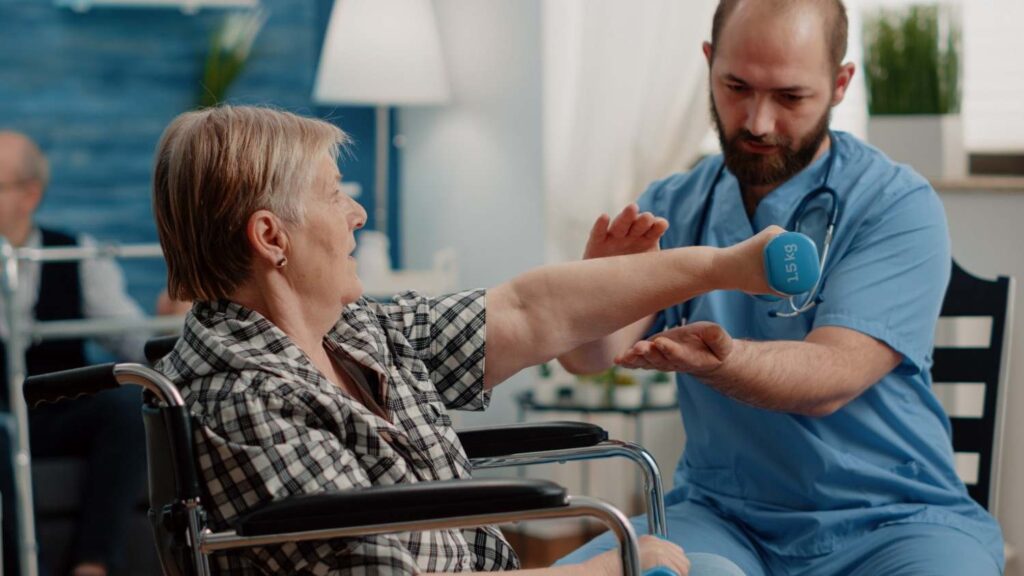
Recovery begins in hospital and continues for months. Many people regain function with rehabilitation focused on movement, balance, speech and swallowing, and everyday skills. Progress is usually fastest in the first three to six months but can continue beyond that. Family support, secondary prevention (medication, blood pressure and sugar control) and regular follow-up reduce the chance of another stroke.
