عربي
عربي


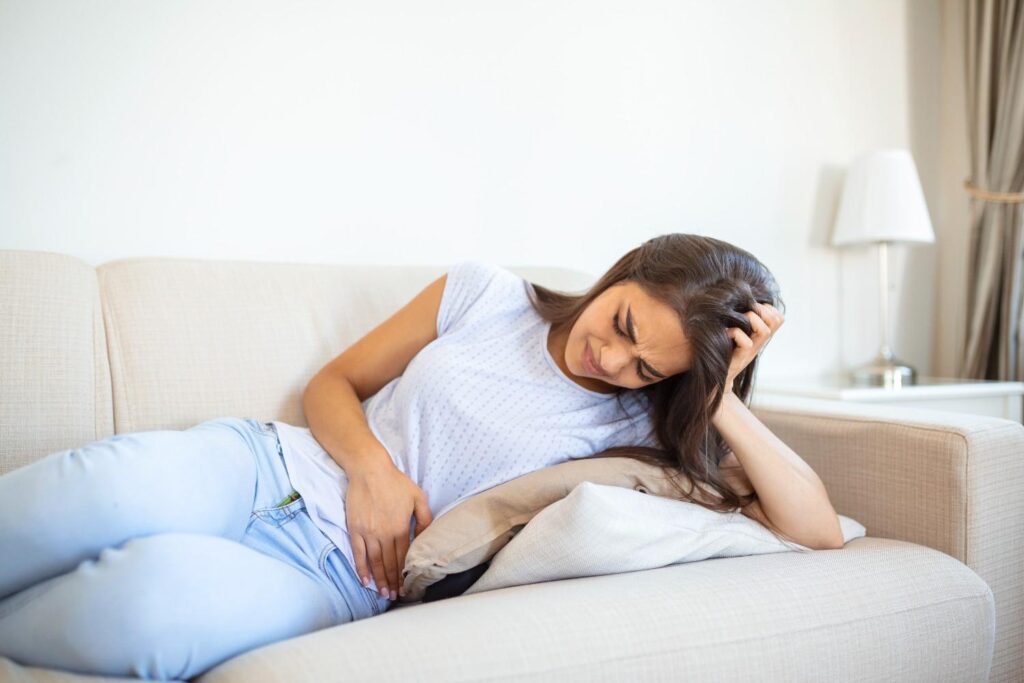
“Just take a painkiller, periods hurt.” It’s a phrase countless women have heard, from family, friends, and sometimes even doctors, often for years before anyone considers that something more might be going on. For many women living with endometriosis, this normalisation of severe pain is exactly why diagnosis takes so long.
Endometriosis is far more common than most people realise, yet it remains widely misunderstood, both by the public and, at times, within the healthcare system itself. Research consistently shows it takes an average of several years from the onset of symptoms to an actual diagnosis, years often spent cycling through explanations that don’t quite fit.
Part of the challenge is that period pain exists on a spectrum, and it’s genuinely difficult for a woman to know whether what she’s experiencing is a normal, if uncomfortable, part of menstruation, or a sign of an underlying condition that needs treatment.
The encouraging news is that awareness of endometriosis has grown significantly in recent years, and diagnostic tools and treatment options have improved along with it. Getting an accurate diagnosis, even after years of uncertainty, opens the door to real relief.
This guide explains what endometriosis actually is, how to tell the difference between typical period pain and something more serious, how it’s diagnosed, and the treatment options available.
Book a Gynaecology Consultation
At American Hospital Clinics Doha today.
Quick Answer
Endometriosis is a condition where tissue similar to the lining of the uterus grows outside it, causing chronic pelvic pain, especially during periods. It’s frequently mistaken for normal period pain, which is why diagnosis is often delayed for years. Recognising the difference between typical menstrual discomfort and endometriosis symptoms is the first step toward proper treatment.
Key Takeaways
- Endometriosis affects a significant number of women of reproductive age
- It’s often mistaken for normal period pain, causing years of delayed diagnosis
- Pain that disrupts daily life is not something to normalise or simply endure
- Endometriosis can affect fertility if left untreated
- Diagnosis often involves ultrasound and, in some cases, a minor surgical procedure
- Effective treatment options exist, ranging from pain management to surgery
- Early evaluation improves both symptom control and long-term outcomes
What Is Endometriosis
Endometriosis occurs when tissue similar to the lining of the uterus grows outside the uterus, most commonly on the ovaries, fallopian tubes, or the lining of the pelvis. Like the uterine lining, this tissue responds to hormonal changes during the menstrual cycle, thickening and breaking down each month, but with nowhere to exit the body, which leads to inflammation, scarring, and pain.
Why It’s So Often Misdiagnosed or Dismissed
Because period pain is so widely considered a normal part of menstruation, it can be genuinely difficult for both women and doctors to recognise when pain has crossed into something that needs medical attention. Symptoms can also overlap with other conditions, such as irritable bowel syndrome or ordinary menstrual cramps, further complicating the picture.
Cultural attitudes that discourage openly discussing period pain can add another layer of delay, with many women assuming their experience is simply what periods are like for everyone, rather than a sign worth investigating.
Common Symptoms
- Severe period pain that doesn’t respond well to standard pain relief
- Pain during or after intercourse
- Pain with bowel movements or urination, particularly during periods
- Heavy menstrual bleeding or bleeding between periods
- Chronic pelvic pain, not limited to your period
- Fatigue, bloating, or nausea around menstruation
- Difficulty conceiving
Normal Period Pain vs Endometriosis Pain
Typical period cramps are usually manageable with over-the-counter pain relief and don’t significantly disrupt daily activities. Endometriosis-related pain, by contrast, often feels more intense, may not respond well to standard painkillers, can occur outside of your period entirely, and frequently interferes with work, school, or social plans. If period pain regularly stops you from doing what you’d normally do, that’s a meaningful signal worth discussing with a doctor.
How Endometriosis Affects Fertility
Endometriosis is one of the more common findings in women experiencing difficulty conceiving, though not every woman with the condition experiences fertility issues. The inflammation and scarring associated with endometriosis can affect the ovaries, fallopian tubes, and overall pelvic environment in ways that make conception more challenging, which is why women planning a pregnancy, or already trying, benefit from having the condition identified and managed.
How Endometriosis Is Diagnosed
Diagnosis typically starts with a detailed discussion of symptoms and a pelvic examination. An ultrasound can often identify endometriosis-related cysts, though it doesn’t always detect smaller areas of tissue. In some cases, a minor surgical procedure called laparoscopy is used to confirm the diagnosis directly and, where appropriate, treat some areas of endometriosis at the same time.
Treatment Options
Treatment is tailored to the severity of symptoms, whether fertility is a current priority, and personal preference. Options range from pain management and hormonal therapy, which can help control the condition’s progression and reduce symptoms, to surgical removal of endometriosis tissue for more significant or persistent cases. For women trying to conceive, treatment plans are adjusted to support fertility goals alongside symptom management.
Book your appointment
Limited slots available this month — Reserve yours now
Book a Gynaecology Consultation
Living With Endometriosis Day to Day
- Track your symptoms and pain patterns to share clearly with your doctor
- Build a support network, whether through friends, family, or others who understand the condition
- Discuss pain management strategies that fit your lifestyle with your doctor
- Be open with employers or schools about accommodations if needed during flare-ups
- Revisit your treatment plan periodically, as needs can change over time
Why Timely Diagnosis Matters
The years many women spend without a diagnosis aren’t just about unexplained pain, they often come with disrupted work, strained relationships, and a growing sense of not being believed. Beyond the emotional toll, delayed diagnosis can also mean delayed treatment for a condition that tends to progress over time. Seeking evaluation as soon as symptoms feel disproportionate to typical period pain gives you the best chance at both relief and long-term management.
Endometriosis at Different Life Stages
Adolescence
Severe period pain in teenagers is sometimes dismissed as a normal part of growing up, delaying diagnosis for years. Taking a teenager’s pain seriously from the outset can prevent this common pattern of prolonged uncertainty.
Reproductive Years
This is often when endometriosis symptoms are most disruptive, and when fertility considerations become most relevant for women planning a family.
Perimenopause and Beyond
Symptoms often ease after menopause as hormone levels decline, though some women continue to experience effects from prior scarring or tissue changes.
Talking to Your Doctor About Period Pain
Many women underreport the severity of their pain, sometimes unconsciously, out of habit or a wish not to seem like they’re overreacting. Being specific and direct, describing how pain actually affects your days, rather than downplaying it, helps your doctor take the full picture seriously and investigate appropriately.
The Value of a Second Opinion
If your concerns about severe period pain have been previously dismissed, seeking a second opinion is a completely reasonable and often valuable step. Different doctors may weigh symptoms differently, and a specialist with specific experience in chronic pelvic pain may recognise patterns that weren’t fully explored in an earlier, more general visit.
How American Hospital Qatar’s Gynaecology Department Can Help
Our Gynaecology Department takes chronic pelvic pain seriously and provides thorough evaluation to identify conditions like endometriosis.
- Experienced Gynaecologists: specialists who take menstrual pain concerns seriously and investigate thoroughly
- Comprehensive Diagnostic Evaluation: ultrasound and, where needed, further assessment to confirm a diagnosis
- Personalized Treatment Plans: options tailored to your symptoms, fertility goals, and preferences
- Fertility-Focused Care: guidance for women managing endometriosis while planning a pregnancy
- Insurance Accepted: our team assists with pre-authorisation and claims
Frequently Asked Questions
Is endometriosis common?
Can endometriosis be cured?
Does endometriosis always cause infertility?
How is endometriosis different from fibroids?
Can teenagers have endometriosis?
What should I do if I think I have endometriosis?
Conclusion
Endometriosis is a real, diagnosable, and treatable condition, not something to be endured quietly for years. If period pain has ever made you cancel plans, miss work, or wonder if something is wrong, that instinct deserves to be taken seriously.
Getting a proper evaluation doesn’t just offer the possibility of a diagnosis, it offers the possibility of relief, and a clearer path forward for both your comfort and your future fertility goals.
Trusting your own experience of your body, even when others suggest it’s “just periods,” is often the first and most important step toward finally getting answers.
You don’t have to have all the answers to book that first appointment. A gynaecologist can help you make sense of what you’re experiencing and guide you toward the right next steps.
Book a Gynaecology Consultation Now
Recognize endometriosis symptoms and seek timely care.
C Ring Road,Al Muntazah St Near Al Andalus Petrol Station, Doha, Qatar