عربي
عربي


Noticing more hair in your brush, an itchy scalp, or hair that just doesn’t feel as full as it used to can be genuinely unsettling. Hair changes are deeply tied to how we feel about ourselves, which makes it tempting to try product after product before addressing the actual cause.
The truth is, healthy hair starts with a healthy scalp, and both are influenced by a mix of genetics, hormones, nutrition, and everyday habits. Qatar’s climate adds its own layer of challenge, from heat and humidity to hard water.
Understanding what’s actually driving a hair or scalp concern, rather than guessing, is the most effective way to see real improvement. Some causes are temporary and resolve on their own, while others benefit from a more targeted approach.
This guide walks through the common causes of hair thinning and scalp issues, how Qatar’s environment plays a role, and what can genuinely help.
Book a Dermatology Consultation
At American Hospital Clinics Doha today.
Quick Answer
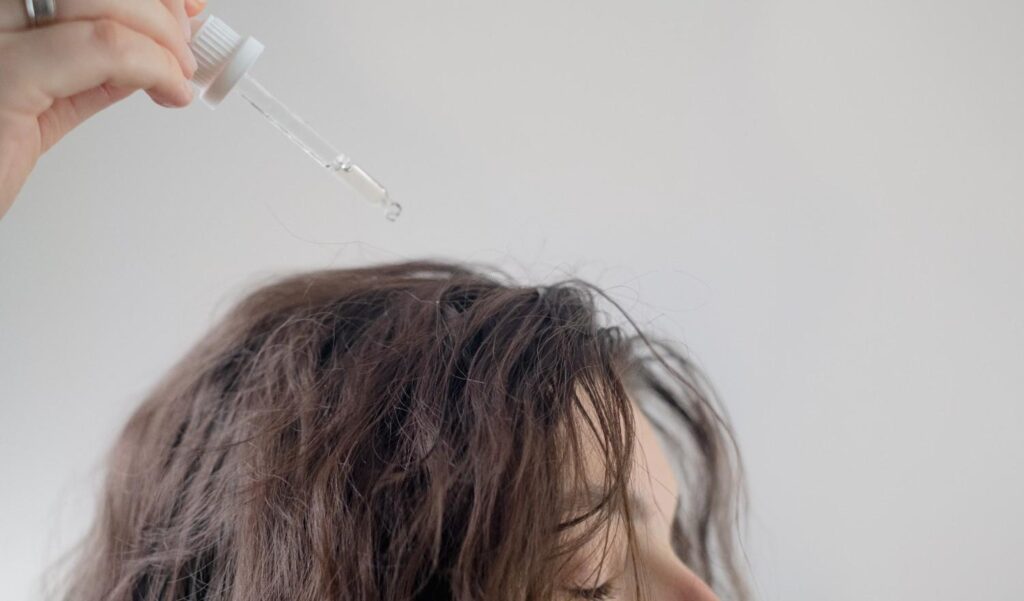
Hair and scalp problems, from excessive shedding to dandruff and itching, usually stem from a combination of scalp health, hormones, nutrition, and lifestyle factors. Identifying the underlying cause, rather than guessing with products, is the most effective path to healthier hair.
Key Takeaways
- Some daily hair shedding is normal; excessive or patchy loss is not
- Scalp health is the foundation of healthy hair growth
- Hormonal changes, stress, and nutrition all influence hair condition
- Dandruff and scalp itching have several different causes, each treated differently
- Qatar’s climate and hard water can affect scalp and hair condition
- Over-styling and harsh treatments can worsen existing hair issues
- A dermatologist can identify the exact cause rather than relying on trial and error
Understanding Normal vs Excessive Hair Loss
It’s normal to shed somewhere between 50 and 100 hairs a day as part of the hair’s natural growth cycle. Noticeably more shedding than usual, thinning at the crown or part line, or patchy bald spots are signs that something beyond normal turnover may be happening, and are worth having assessed.
Common Causes of Hair Thinning and Loss
- Genetics: hereditary hair thinning, which can affect both men and women over time
- Hormonal changes: including pregnancy, postpartum shifts, and thyroid imbalances
- Stress-related shedding: a temporary but noticeable increase in hair fall, often a few months after a stressful event
- Nutritional deficiencies: low iron, vitamin D, or protein intake can all affect hair growth
- PCOS: a hormonal condition that can contribute to thinning in some women
- Heat and styling damage: frequent heat styling or tight hairstyles can weaken hair over time
Common Scalp Conditions
- Dandruff or seborrheic dermatitis: flaking and irritation often linked to an overgrowth of naturally occurring yeast on the scalp
- Dry scalp: tightness and flaking caused by insufficient moisture, common in dry, air-conditioned environments
- Oily scalp: excess oil production that can worsen in heat and humidity
- Folliculitis: inflammation or infection of hair follicles, often causing small, tender bumps
- Scalp psoriasis: a chronic condition causing thick, scaly patches that needs medical management
Book your appointment
Limited slots available this month — Reserve yours now
Book a Dermatology Consultation at American Hospital Qatar — No Referral Needed
How Qatar’s Climate Affects Hair and Scalp
Heat and humidity increase sweat and oil production, which can aggravate an already sensitive scalp. Meanwhile, hard water, common across the region, can leave mineral deposits on the hair and scalp that make hair feel drier and more prone to breakage over time.
Frequent sun exposure can also weaken hair strands, much like it affects skin, contributing to dryness and a duller appearance if left unprotected.
Everyday Habits for Healthier Hair
- Use gentle, sulphate-free products suited to your scalp type
- Limit heat styling, or use a heat protectant when you do
- Keep the scalp clean without over-washing, which can strip natural oils
- Support your diet with adequate protein, iron, and vitamin D
- Get regular trims to reduce breakage and split ends
- Protect hair from prolonged sun exposure with a hat or scarf
When to See a Dermatologist
- Sudden or patchy hair loss
- Noticeably excessive daily shedding
- Persistent scalp itching, flaking, or redness
- Scalp pain, tenderness, or visible bumps
- No improvement despite trying over-the-counter products
Available Treatment Approaches
Treatment depends entirely on the underlying cause. This might include topical treatments to calm scalp inflammation, addressing a nutritional deficiency, managing an underlying hormonal condition, or more targeted options such as PRP (platelet-rich plasma) therapy for certain types of thinning. A dermatologist can recommend the right combination based on a proper evaluation, rather than a one-size-fits-all approach.
Hair and Scalp Care Across Different Life Stages
Teenage Years
Hormonal shifts during adolescence can increase oil production, sometimes leading to a temporarily oilier scalp that benefits from gentle, appropriately balanced products.
Pregnancy and Postpartum
Hair often feels fuller during pregnancy due to hormonal changes, followed by a temporary increase in shedding in the months after childbirth as hormone levels shift back.
Menopause
Hormonal changes during menopause can contribute to thinning hair for some women, making this a period where a dermatologist’s guidance can be particularly useful.
How American Hospital Qatar’s Dermatology Department Can Help
Our Dermatology Department offers a thorough, evidence-based approach to hair and scalp concerns.
- Hair and Scalp Specialists: experienced evaluation of thinning, shedding, and scalp conditions
- Diagnostic Evaluation: identifying the true cause behind hair and scalp changes
- Personalized Treatment Plans: tailored to your specific diagnosis and goals
- Advanced Options: including PRP therapy where appropriate
- Insurance Accepted: our team assists with pre-authorisation and claims
Frequently Asked Questions
How much daily hair loss is normal?
Can stress really cause hair loss?
Is dandruff caused by poor hygiene?
Can diet improve hair health?
Does frequent hair washing cause hair loss?
Is hair loss always permanent?
Conclusion
Hair and scalp concerns are common, and in most cases, genuinely manageable once the underlying cause is understood. The key is moving past trial-and-error with products and getting a clear picture of what’s actually happening.
Whether it’s a scalp condition, a nutritional gap, or something hormonal, a proper evaluation puts you on a much more direct path to healthier hair.
BOOK YOUR DERMATOLOGY CONSULTATION NOW
Care for your hair and scalp with expert attention.
C Ring Road,Al Muntazah St Near Al Andalus Petrol Station, Doha, Qatar