عربي
عربي


In 2026, Your Surgeon Plans Your Joint Replacement Digitally Before Entering the Operating Room. The Robot Executes It With Sub-Millimetre Precision.
Robotic-assisted joint replacement has transformed knee and hip surgery from a procedure with variable outcomes into one of the most consistently successful operations in modern medicine.
At American Hospital Clinics Doha, Dr. Kiwin Peer Mohammed Ebrahim performs advanced orthopaedic surgery using the latest digital planning and precision techniques — giving every patient the best possible functional outcome and recovery.
What Makes Robotic Joint Replacement Different?
Conventional joint replacement relies on the surgeon's judgement and manual technique to position the implant during surgery. Even small errors in alignment — 2 to 3 degrees off optimal — significantly affect long-term implant function and durability. Robotic systems eliminate this variability.
1. Pre-Operative Digital Planning
CT scan data creates a precise 3D digital model of your anatomy. Dr. Kiwin plans the exact implant position, size, and surgical approach on this model before the operation. The surgical plan is optimised digitally — not worked out during the procedure.
2. Robotic Execution in the Operating Room
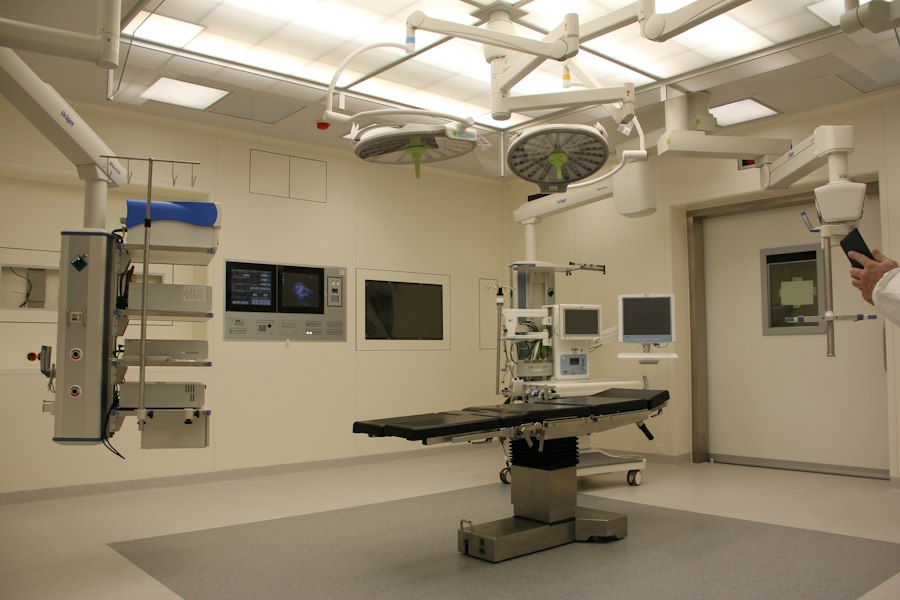
During surgery, the robotic system tracks the position of your bone in real time and constrains the surgical instruments to the pre-planned boundaries. Cuts are made within 0.5mm of the planned position. The surgeon remains fully in control.
3. Real-Time Feedback
The system provides continuous haptic (touch) and visual feedback — alerting Dr. Kiwin if movement outside the planned zone is attempted. This dual layer of precision dramatically reduces the risk of malalignment.
Who Needs Knee or Hip Replacement?
Joint replacement is typically considered when:
- Severe osteoarthritis causing constant pain that limits daily activity and sleep
- Pain not controlled by physiotherapy, weight management, or injections
- X-ray shows bone-on-bone joint space loss with significant deformity
- Stiffness and loss of movement preventing normal activities — climbing stairs, walking distances
- Quality of life significantly impacted and non-surgical options exhausted
Recovery: What to Expect in 2026
1. Same Day or Next Day Discharge
Enhanced recovery protocols and minimally invasive robotic technique mean most patients are walking with assistance on the day of surgery and discharged within 24 hours.
2. Physiotherapy Begins Immediately
Supervised physiotherapy starts the day after surgery. Modern recovery protocols prioritise early movement — reducing the risk of blood clots, joint stiffness, and muscle weakness.
3. Return to Normal Activity
- Walking without support: 4 to 6 weeks
- Driving: 4 to 6 weeks (left knee and hip), 6 to 8 weeks (right knee)
- Return to desk work: 4 to 6 weeks
- Full functional recovery: 3 to 6 months
- Implant longevity with correct positioning: 20 to 25+ years
"Robotic joint replacement in 2026 is not an upgrade — it is the standard of care. Every patient who comes to American Hospital Clinics Doha for joint replacement surgery gets a surgical plan designed digitally for their specific anatomy, executed with precision the human hand alone cannot consistently match." — Dr. Kiwin Peer Mohammed Ebrahim, Orthopaedics, AHC Doha