


 عربي


Winter in Qatar is the season everyone waits for: cooler evenings, desert camping, beach walks and outdoor dining. It is also when colds, flu and other respiratory infections spread most easily, allergies flare after windy days and skin dries out. A few simple habits can keep you and your family healthy through the cooler months.
Book an Internal Medicine Consultation
At American Hospital Clinics Doha today.
Why winter affects our health
Cooler, drier air dries the lining of the nose and throat, making it easier for viruses to take hold. People spend more time in close contact, schools and workplaces are busy, and many travel during the holidays. Dust and pollen can increase on windy days, and moving between warm outdoors and cold air conditioning keeps the body adjusting.
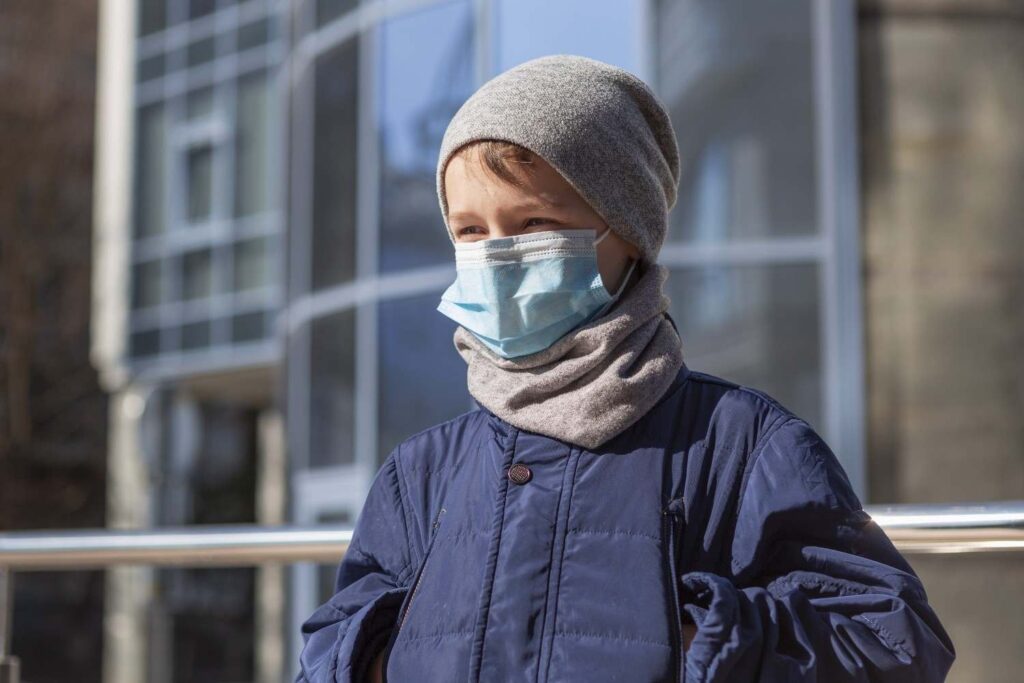
1. Get vaccinated
An annual flu vaccine is the best way to lower your risk of flu and its complications. It is especially important for older adults, pregnant women, young children, and people with asthma, diabetes, heart or kidney disease. Ask your doctor whether you also need pneumococcal, COVID-19 or other vaccines. We offer immunisation services for children, adults and travellers.
2. Practise good hygiene
- Wash hands with soap and water for at least 20 seconds
- Cover coughs and sneezes with a tissue or elbow
- Avoid touching your eyes, nose and mouth
- Stay home when unwell to protect others
- Wipe frequently touched surfaces such as phones and door handles
3. Eat for immunity
No single food prevents illness, but a balanced diet supports your immune system. Fill your plate with colourful vegetables and fruit, add protein such as fish, eggs, legumes and lean meat, choose whole grains, and include healthy fats such as nuts and olive oil. Check with your doctor before taking supplements.
4. Stay hydrated
We drink less when it is cool, but the body still needs fluids. Aim for steady water intake, and add warm soups and herbal teas. Dehydration can worsen headaches, tiredness and dry skin.
5. Keep moving
Winter is the best season for outdoor exercise in Qatar. Aim for about 150 minutes of moderate activity a week, such as brisk walking along the Corniche, cycling or swimming, plus strength work twice a week. Warm up well on cooler mornings, especially before padel and football. Read our guide to sports injury prevention and recovery.
6. Protect your sleep
Adults need seven to nine hours a night. Poor sleep weakens immune defences, so keep regular hours and limit screens before bed.
7. Look after your skin
Air conditioning and cooler air dry the skin. Moisturise daily, take shorter lukewarm showers and use lip balm. The sun is still strong in winter, so keep wearing sunscreen.
8. Manage chronic conditions and allergies
If you have asthma, allergies, diabetes or heart disease, keep medicines stocked, follow your action plan and book a review before winter travel or desert trips.
9. Protect your mental wellbeing
Busy holiday schedules and changes in routine can affect mood. Stay connected with family and friends, get daylight and talk to someone if you feel low for more than two weeks.
10. Travel smart
Winter is peak travel season. Review vaccines and medicines before you go, carry prescriptions in original packaging and keep your health records handy.
When to see a doctor
Most colds clear up within a week. Book a visit if you have a fever for more than three days, a cough lasting more than two to three weeks, shortness of breath, wheezing, chest pain, severe sore throat, or ear or sinus pain that does not improve. Seek emergency care for trouble breathing, confusion, bluish lips or dehydration. Babies under three months with a fever need urgent assessment.
Book your appointment
Limited slots available this month — Reserve yours now
Book an Internal Medicine Consultation
