عربي
عربي


How Extreme Heat Can Affect Blood Sugar Levels
For the many residents of Qatar living with diabetes, summer brings an additional layer of complexity to daily disease management. Extreme heat does not just make life uncomfortable—it can cause real, sometimes unpredictable, fluctuations in blood sugar levels, affect how insulin and medications work, and even damage testing equipment and supplies if not properly managed. At American Hospital Clinics Doha, our Internal Medicine and Endocrinology specialists help patients manage diabetes safely during Qatar’s challenging summer months with personalised care and expert guidance.
Understanding exactly how heat interacts with diabetes—and putting practical strategies in place—can make the difference between a summer of stable, well-managed blood sugar and one of frustrating, potentially dangerous swings between highs and lows. American Hospital Clinics Doha provides comprehensive diabetes management, helping patients maintain better blood sugar control and reduce the risk of heat-related complications throughout the summer.
Book your diabetes management appointment
At American Hospital Clinics Doha today.
Quick Answer
Extreme heat affects blood sugar levels in multiple ways: dehydration can cause blood sugar to rise (as blood becomes more concentrated), while increased activity, altered eating patterns, and changes in insulin absorption can cause unpredictable highs and lows. Heat can also damage insulin and testing supplies if not stored correctly. People with diabetes should monitor blood sugar more frequently during Qatar’s summer, stay well-hydrated, and protect their medications and equipment from heat exposure.
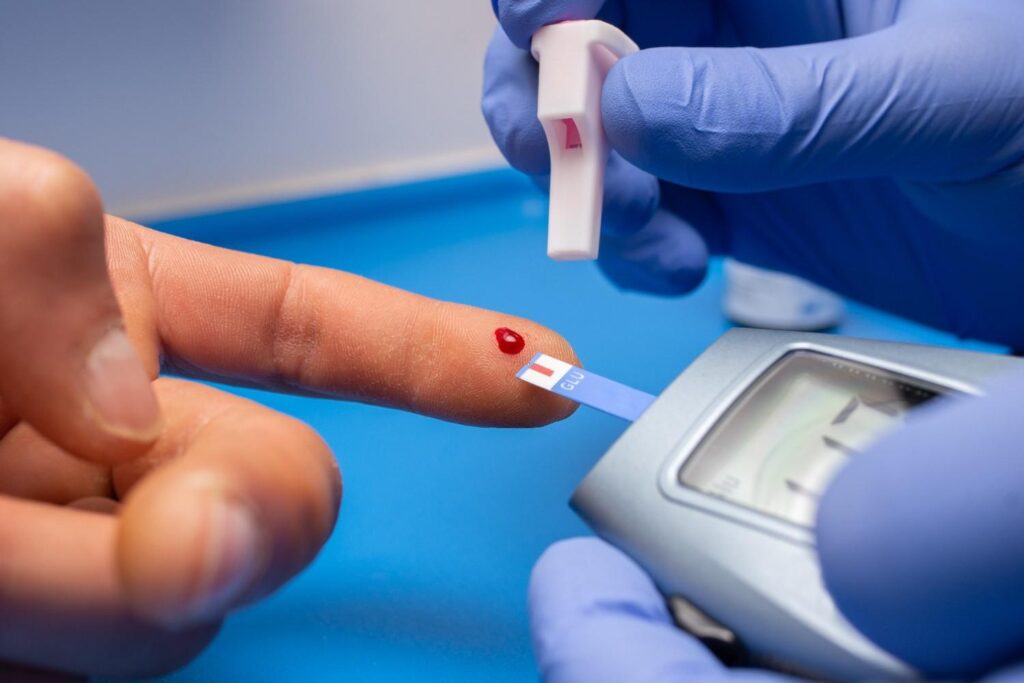
Key Takeaways
- Dehydration from Qatar’s heat can cause blood sugar levels to rise, creating a cycle of further dehydration.
- Heat can increase the risk of hypoglycaemia (low blood sugar), particularly with increased activity or heat-related appetite changes.
- Insulin and testing supplies degrade in high temperatures and must be stored correctly.
- Sunburn and heat stress themselves can raise blood sugar levels.
- More frequent blood sugar monitoring is essential during Qatar’s summer.
- A personalised summer management plan from your healthcare team is highly valuable.
Understanding How Heat Affects Blood Sugar
Heat affects blood sugar through several interconnected mechanisms:
Dehydration and blood sugar concentration: When the body loses fluid through sweating, blood becomes more concentrated — including the glucose within it. This can cause blood sugar readings to rise. Elevated blood sugar then causes increased urination, which leads to further dehydration — creating a cycle that can be difficult to break without deliberate intervention.
Changes in insulin absorption: Heat increases blood flow to the skin, which can affect how quickly insulin is absorbed when injected, potentially making it act faster than usual and increasing the risk of hypoglycaemia (low blood sugar).
Altered activity and eating patterns: Summer often brings changes in routine — different meal times, increased or decreased activity, travel, and social events — all of which can affect blood sugar in ways that are harder to predict.
Heat stress itself: The physiological stress of extreme heat can trigger the release of stress hormones, which can raise blood sugar levels independent of food intake.
Sunburn: Sunburn is a form of physical stress on the body and can raise blood sugar levels, similar to the effect of illness.
Common Causes of Blood Sugar Fluctuations in Qatar’s Summer
- Inadequate fluid intake leading to dehydration and elevated blood sugar
- Increased physical activity (e.g., swimming, holiday activities) causing unexpected drops in blood sugar
- Heat exposure affecting insulin absorption rates
- Insulin or testing supplies exposed to high temperatures, affecting accuracy and effectiveness
- Changes in meal timing and content during summer travel or social activities
- Sunburn or heat stress triggering stress-hormone-related blood sugar increases
Signs and Symptoms to Watch For
Signs of high blood sugar (hyperglycaemia):
- Increased thirst
- Frequent urination
- Fatigue
- Blurred vision
- Headache
Signs of low blood sugar (hypoglycaemia):
- Sudden sweating (distinct from heat-related sweating)
- Shakiness or trembling
- Confusion or difficulty concentrating
- Rapid heartbeat
- Sudden hunger
- Dizziness
Because heat itself causes sweating, dizziness, and fatigue, it can be challenging to distinguish heat-related symptoms from blood sugar-related symptoms. This is precisely why more frequent monitoring is so important during summer.
Book your appointment
Limited slots available this month — Reserve yours now
Book your diabetes care appointment at American Hospital Clinics Doha today.
Who Is Most at Risk?
- People with type 1 diabetes, who rely on precise insulin dosing
- People with type 2 diabetes on insulin or medications that can cause hypoglycaemia
- Those with diabetes-related nerve damage (neuropathy), which can impair sweating and increase heat illness risk
- Anyone whose diabetes management routine changes significantly during summer travel or activities
- People who do not have access to appropriate insulin storage while away from home
Why It Matters in Qatar’s Climate
Qatar’s extreme summer temperatures create conditions that directly challenge stable blood sugar management. The combination of intense heat, the risk of dehydration, and the practical challenges of storing insulin and supplies safely all require additional planning. For the significant population of Qatar residents managing diabetes, a proactive summer strategy is an important part of overall health management.
Prevention Tips
- Monitor blood sugar more frequently — check before and after physical activity, meals, and time spent outdoors. Increased monitoring helps catch fluctuations early.
- Stay well-hydrated — adequate fluid intake helps prevent the dehydration-hyperglycaemia cycle.
- Store insulin properly — most insulin should be kept between 2°C and 8°C when not in use, and should not be exposed to temperatures above approximately 30°C (86°F) for extended periods. Use an insulated cool pack and dedicated travel case when away from refrigeration.
- Protect testing supplies — glucose meters and test strips can become inaccurate if exposed to extreme heat. Store them in a cool, shaded location.
- Carry fast-acting glucose — glucose tablets, juice, or another quick-acting carbohydrate source should always be on hand to treat sudden low blood sugar.
- Plan for activity changes — if summer brings more swimming, walking, or other activity, discuss with your healthcare team how this may affect your insulin or medication needs.
- Protect skin from sunburn — sunburn itself can raise blood sugar, so sun protection is doubly important.
Healthy Lifestyle Recommendations
- Maintain consistent meal timing as much as possible, even during summer schedule changes.
- Choose hydrating, lower-glycaemic foods — water-rich fruits and vegetables support both hydration and blood sugar stability.
- Limit sugary drinks, which can compound both dehydration and blood sugar spikes.
- Keep a consistent sleep schedule — disrupted sleep affects blood sugar regulation.
- Maintain regular contact with your diabetes care team, especially before and during the hottest months.
When Should You Seek Medical Advice?
Consult your doctor or diabetes care team if:
- You notice unexplained or unusual blood sugar patterns during summer
- You experience frequent episodes of hypoglycaemia or hyperglycaemia
- You are planning significant changes to your activity levels or travel and want to adjust your management plan
- Your insulin or testing supplies may have been exposed to extreme heat and you are unsure of their continued effectiveness
- You develop symptoms of dehydration alongside elevated blood sugar
Seek emergency care immediately for severe hypoglycaemia (confusion, loss of consciousness, seizures) or signs of diabetic ketoacidosis (very high blood sugar with vomiting, abdominal pain, rapid breathing, or a fruity smell to the breath).
Treatment and Management Options
Management of heat-related blood sugar fluctuations begins with identifying the pattern — through frequent monitoring or continuous glucose monitoring (CGM) if available — and adjusting insulin doses, meal timing, or hydration strategies accordingly under medical guidance. If insulin or supplies have been compromised by heat exposure, replacement should be arranged promptly. For more significant dehydration or blood sugar imbalances, medical assessment and, if necessary, intravenous fluid and electrolyte management may be required.
Summer Health in Qatar — A Practical Diabetes Plan
- Create a “summer kit” containing your glucose meter, insulated insulin case, fast-acting glucose source, and water bottle — keep it with you at all times
- Set phone reminders for blood sugar checks during outdoor activities
- Before travelling within or outside Qatar during summer, speak with your diabetes care team about any adjustments needed
- Educate family members or close colleagues about recognising and responding to hypoglycaemia, particularly during outdoor activities
How the Internal Medicine / Endocrinology Department at American Hospital Clinics Doha Can Help
The Internal Medicine and Endocrinology team at American Hospital Clinics Doha provides comprehensive, personalised diabetes management — including specific guidance for navigating Qatar’s challenging summer climate. Services include regular blood sugar and HbA1c monitoring, personalised medication and insulin management plans, continuous glucose monitoring (CGM) assessment and setup where appropriate, dietary and lifestyle counselling tailored to Qatar’s climate, and education on safe storage and handling of insulin and diabetes supplies in extreme heat.
The team works closely with each patient to build a sustainable, practical management plan — one that accounts for the real demands of daily life in Qatar, not just generic guidance.
Myth vs Fact
Myth: Heat always causes blood sugar to drop because of increased sweating.
Fact: Heat can cause both highs and lows. Dehydration tends to raise blood sugar by concentrating it in the blood, while increased activity or changes in insulin absorption can cause it to drop. Both directions require attention.
Myth: Insulin is fine in a hot car for a short time.
Fact: Insulin degrades when exposed to high temperatures, and a car interior in Qatar’s summer can reach extreme temperatures within minutes. Never leave insulin in a vehicle, even briefly.
Myth: If my blood sugar feels “normal,” I do not need to test as often in summer.
Fact: Heat can mask or mimic blood sugar symptoms (both dizziness and sweating occur with heat and with blood sugar fluctuations). More frequent testing during summer is the only reliable way to know what is actually happening.
Myth: Sunburn does not affect diabetes management.
Fact: Sunburn is a physical stressor that can raise blood sugar levels, similar to the effect of an illness. Sun protection is an important part of diabetes management in Qatar.
Myth: Drinking more water can fix high blood sugar on its own.
Fact: While hydration helps address the dehydration-hyperglycaemia cycle, it is not a substitute for appropriate insulin or medication management. Always follow your prescribed treatment plan and consult your care team about any pattern of elevated readings.
What Our Patients Say
— Noura
Frequently Asked Questions
Why does my blood sugar rise in Qatar's heat even if I have not changed my diet?
Can heat cause low blood sugar (hypoglycaemia)?
How should I store my insulin during Qatar's summer?
Do I need to check my blood sugar more often in summer?
Can extreme heat damage my glucose meter or test strips?
Conclusion
Managing diabetes in Qatar’s summer requires extra awareness and a few practical adjustments—but with the right approach, it is entirely manageable. More frequent monitoring, careful attention to hydration, proper storage of insulin and supplies, and staying connected with your healthcare team are the foundations of a safe and stable summer. At American Hospital Clinics Doha, our Internal Medicine and Endocrinology specialists provide personalised guidance to help patients manage their diabetes confidently throughout the hottest months of the year.
The Internal Medicine and Endocrinology team at American Hospital Clinics Doha is here to help you build a personalised summer management plan that fits your life in Qatar, helping you maintain better blood sugar control and reduce the risk of heat-related complications.
Book your appointment
Take control of your blood sugar with expert care.
C Ring Road,Al Muntazah St Near Al Andalus Petrol Station, Doha, Qatar