عربي
عربي


He Felt Tired. He Was Thirsty More Than Usual. He Assumed It Was the Heat. It Was Pre-Diabetes.
Caught on a routine blood test he almost did not bother with. His HbA1c was 6.2%. His fasting glucose was 112 mg/dL. Neither number screamed emergency. Both numbers meant his body was already struggling with sugar — and had been for years.
At American Hospital Clinics Doha, Dr. Amna Mohammed Abd-AlMajeed, Specialist Internal Medicine, sees this story every week. Qatar has one of the highest diabetes rates in the world. And behind every new diabetes diagnosis is a window — often years long — where the condition was still pre-diabetes, still reversible, still something a simple blood test and a lifestyle change could have fixed entirely.
Why Pre-Diabetes Is an Emergency You Do Not Feel
Pre-diabetes means your blood sugar is consistently higher than normal — but not yet high enough to be classified as Type 2 diabetes. The pancreas is working overtime to compensate. Damage to blood vessels and nerves has quietly begun. And yet: no symptoms. No pain. No obvious warning.
Qatar Reality: 16%+ of adults have Type 2 diabetes. 1 in 3 more have pre-diabetes. 90% of pre-diabetics are undiagnosed. Without intervention, pre-diabetes progresses to Type 2 diabetes in 5 to 10 years in most people.
The Warning Signs Qatar Residents Dismiss Every Day
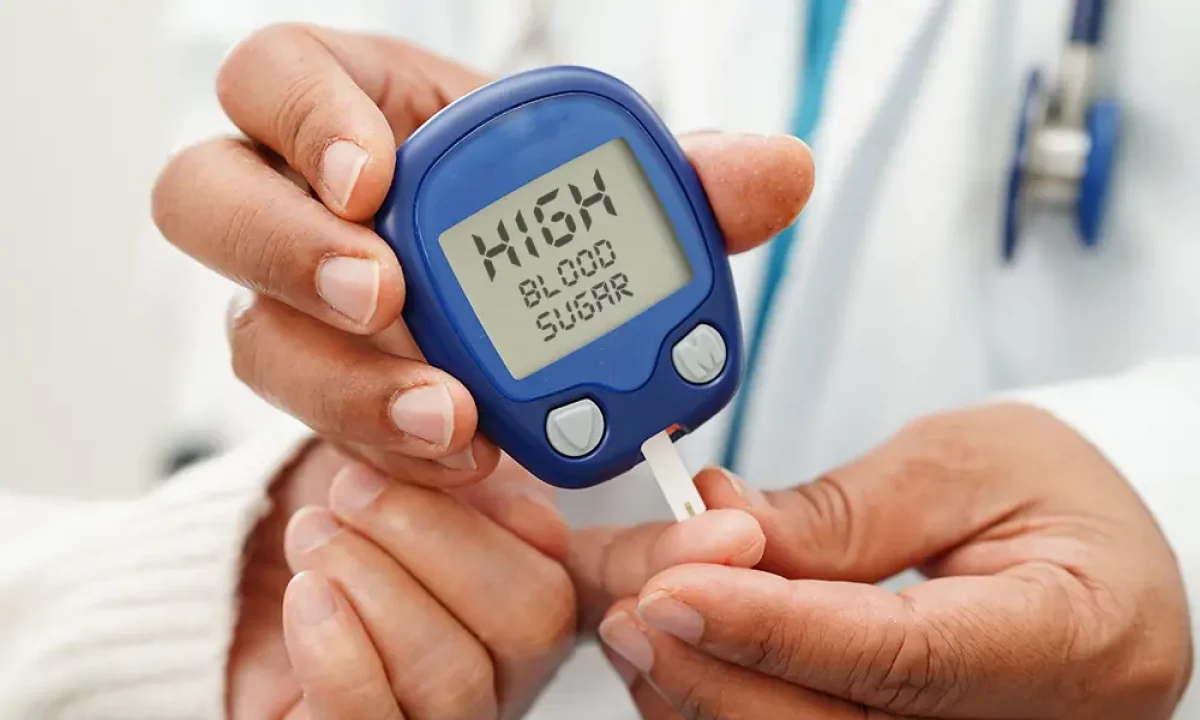
1. Persistent Fatigue That Rest Does Not Fix
Not the tiredness of a busy week. A heavy, ongoing exhaustion that is present even after a full night of sleep. When cells cannot absorb glucose efficiently, energy production is impaired at the cellular level.
2. Thirst and Urination That Seems Excessive
Elevated blood sugar draws water out of cells into the bloodstream, causing dehydration and triggering thirst. In Qatar, these symptoms are consistently attributed to the heat — and consistently missed.
3. Blurred Vision — Especially Towards Evening
High blood sugar causes the lens of the eye to swell as fluid balance changes. Intermittent blurring — particularly at the end of the day or after meals — is an early sign. Most people in Qatar assume they need a new glasses prescription.
4. Slow Healing Cuts and Wounds
Elevated glucose impairs immune cell function and reduces blood flow to small vessels. A cut that takes noticeably longer than expected to heal is a meaningful clinical sign — not a coincidence.
5. Darkening Skin at the Neck, Armpits, or Groin
Acanthosis nigricans — velvety, darkened patches of skin at skin folds — is a direct physical marker of insulin resistance. It is extremely common in Qatar and is almost never connected by patients to diabetes risk.
6. Recurring Infections
Pre-diabetes impairs immune function. Recurring skin infections, urinary tract infections, or yeast infections — particularly if they keep coming back — are a pattern that warrants a blood sugar check.
7. Tingling or Numbness in Hands or Feet
Peripheral neuropathy — nerve damage from elevated glucose — can begin before a formal diabetes diagnosis. Intermittent tingling or numbness in the hands or feet should always prompt blood sugar investigation.
How Pre-Diabetes Is Diagnosed at American Hospital Clinics Doha
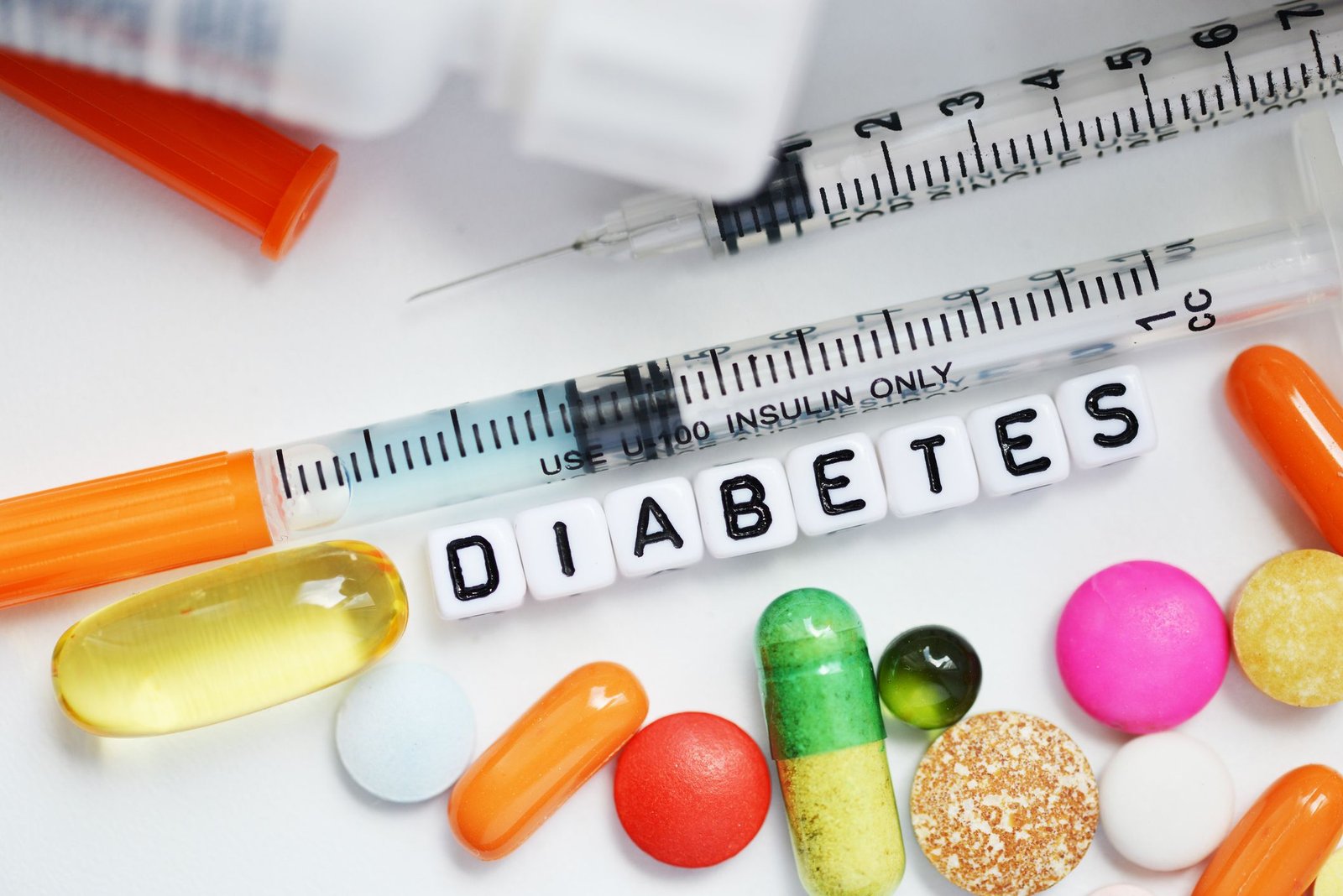
1. Fasting Blood Glucose Test
A blood draw after 8 to 12 hours of fasting. Normal: below 100 mg/dL. Pre-diabetes: 100 to 125 mg/dL. Diabetes: 126 mg/dL or above.
2. HbA1c (Glycated Haemoglobin)
The single most important diabetes screening test. HbA1c reflects your average blood sugar over the past 2 to 3 months. No fasting required. Normal: below 5.7%. Pre-diabetes: 5.7 to 6.4%. Diabetes: 6.5% or above. Available on-site at American Hospital Clinics Doha with same-day results.
3. Oral Glucose Tolerance Test (OGTT)
For patients whose fasting glucose and HbA1c give borderline or unclear results. Blood sugar is measured before and 2 hours after drinking a measured glucose solution.
4. Full Metabolic Assessment
Dr. Amna's full risk assessment includes: fasting insulin level, lipid profile, kidney function, liver enzymes, thyroid function, and blood pressure assessment — a complete picture of metabolic risk.
Can Pre-Diabetes Be Reversed? The Honest Answer
Yes — completely. The landmark Diabetes Prevention Program showed that lifestyle intervention reduced the risk of pre-diabetes progressing to Type 2 diabetes by 58% over three years.
1. Weight Loss — Even Modest
Losing 5 to 7% of body weight — 4 to 6kg for most people in Qatar — significantly reduces insulin resistance. The first few kilograms produce the largest metabolic benefit.
2. Movement — Consistent, Not Heroic
150 minutes of moderate aerobic activity per week reduces HbA1c meaningfully. Resistance training twice per week adds additional benefit by increasing muscle mass, which is the most metabolically active tissue.
3. Diet — Targeted, Not Extreme
Reducing refined carbohydrates, increasing fibre, and eliminating sugary drinks produces significant blood sugar improvement within weeks. Dr. Amna provides personalised dietary guidance specific to Qatar food culture — not generic Western advice.
4. Sleep and Stress Management
7 to 9 hours of quality sleep per night measurably improves insulin sensitivity. Chronic sleep deprivation raises cortisol and blood sugar independently of diet and exercise.
5. Medication When Appropriate
For patients at highest risk — HbA1c at the upper end of pre-diabetes, multiple risk factors, strong family history — metformin may be recommended alongside lifestyle changes.
"A single HbA1c test takes five minutes and requires no fasting. If your result comes back in the pre-diabetes range, that is not bad news — it is an opportunity. Come in. We will build a plan together. The window is open. Do not wait for it to close." — Dr. Amna Mohammed Abd-AlMajeed, Internal Medicine, AHC Doha